
When the Gear in Your Closet Could Outfit a Hero
Maria had been a career EMT for eleven years before a back injury changed everything. She transitioned into a desk job, and her old station gear, three sets of quality work uniforms she had accumulated over the years, went into storage. Clean, intact, barely worn. For two years, those uniforms sat in a plastic bin, doing nothing for anyone.
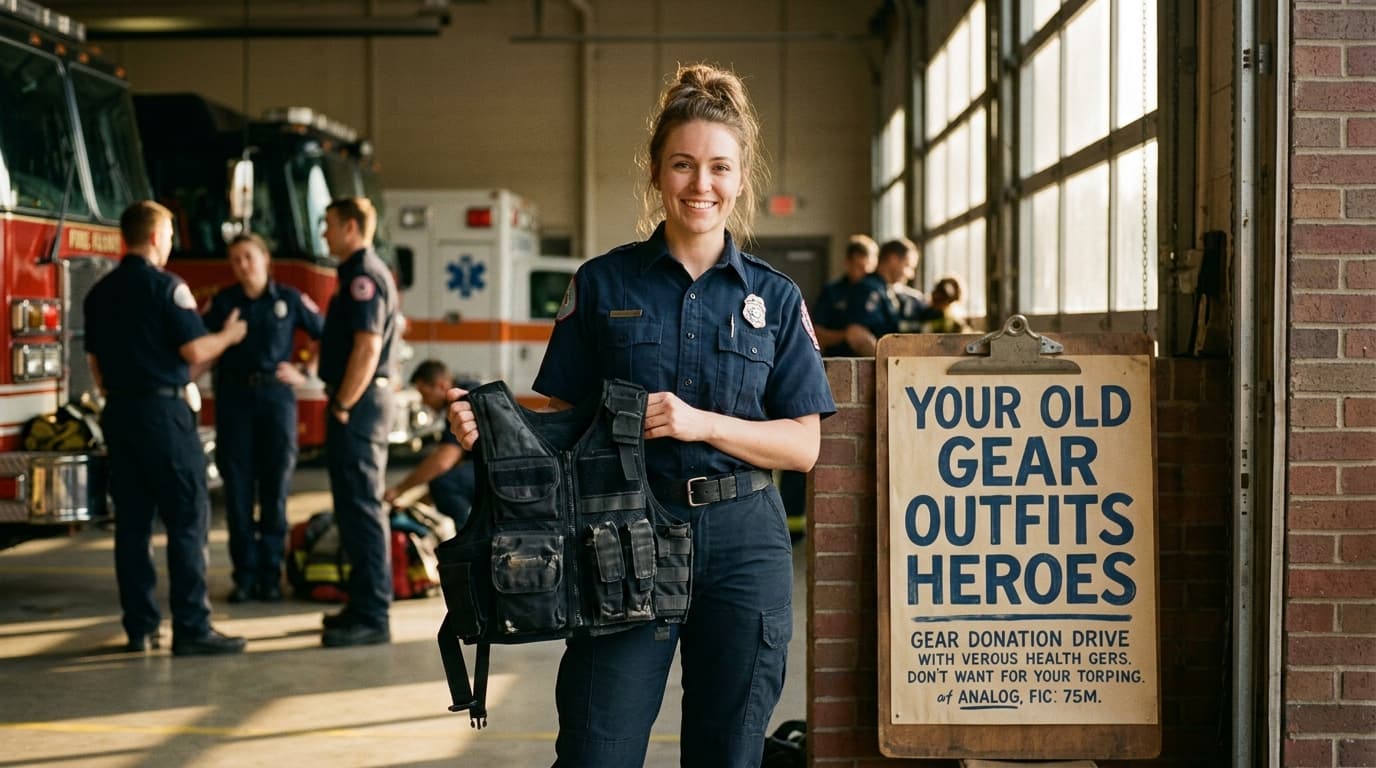
Then a neighbor mentioned that the volunteer fire department one town over was struggling to equip new recruits. The department had no budget for fresh gear. New volunteers were showing up in mismatched hand-me-downs, wearing items past their useful life. Maria had what they needed. The problem was finding the right way to get gear to them while still recovering something for what she had spent over the years.
That is the moment many people with niche workwear face. You have real gear with real value, and somewhere out there, a community worker needs exactly what you have. Selling work uniforms peer-to-peer is the bridge between those two realities.
Why Frontline Workers Struggle to Afford Quality Gear
Volunteer fire departments across the country, particularly those serving towns of fewer than 25,000 people, routinely struggle to fund basic protective equipment. The National Volunteer Fire Council runs a gear giveaway program that distributes 52 sets of turnout gear annually across 13 departments. That sounds generous until you consider that there are more than 680,000 volunteer firefighters in the United States. The gap between supply and need is enormous.
Work uniforms in this space are not fashion. A single set of quality station wear often retails for $80 to $100 or more. Community health workers, ambulance volunteers, and neighborhood safety patrol members face similar realities. Organizations that depend on volunteers rarely have uniform allowances, so individuals who give their time to serve often end up buying their own gear. New prices are simply out of reach for many of them.
This is where the secondhand market creates genuine impact. The global resale apparel market is growing fast, projected to exceed $154 billion by 2036, driven by practical buyers looking for quality at honest prices. Used workwear that sells for 40 to 50 percent of retail is not a compromise. For a volunteer equipping themselves on their own dime, it is a lifeline.
Your Beginner's Guide to Listing Work Uniforms
If you have work uniforms to sell, the process is more straightforward than most new sellers expect. The key is treating every listing as a conversation with someone who needs to trust you before handing over their money.
Start with an honest inventory. Lay out everything and assess condition item by item. Separate what is truly wearable, no significant staining, no structural damage, from what has reached the end of its useful life. Workwear buyers are practical. They can handle normal wear, but they will feel cheated if they receive something that cannot do the job.
Photograph with detail. Natural light is your best tool. Shoot the full item laid flat, then close-ups of brand labels, care tags, and any wear. If there is a scuff on a knee, photograph it and call it out. Buyers remember honest sellers. They leave the ratings that build your reputation.
Write descriptions that work as hard as the gear. Include brand, size, material, and condition in plain language. Note whether the item is flame-resistant or high-visibility, because those details matter enormously to the people who need them. A line like "worn six months, washed after every shift, reflective striping intact" tells a buyer exactly what they are getting.
Price fairly using the 40-60 rule. A good starting point for P2P uniform sales is 40 to 60 percent of current retail. A $90 uniform in excellent condition is a fair listing at $40 to $54. Gear with visible wear sits closer to 30 percent. Unused items with tags can approach 70 percent. Check what similar items are actually selling for, not just what others are asking.
Build your seller profile first. Complete your profile with a clear photo and a short bio. Something as simple as "former EMT selling quality station gear" gives a buyer context and transforms you from a username into a person with relevant experience. That signal matters more than most new sellers realize.
Trust Is the Product You Are Actually Selling
Here is something every new seller of specialized workwear needs to understand: the gear is the listing, but trust is what completes the sale. When a volunteer firefighter is spending their own money on a uniform that needs to perform under pressure, they are not just evaluating the item. They are evaluating you.
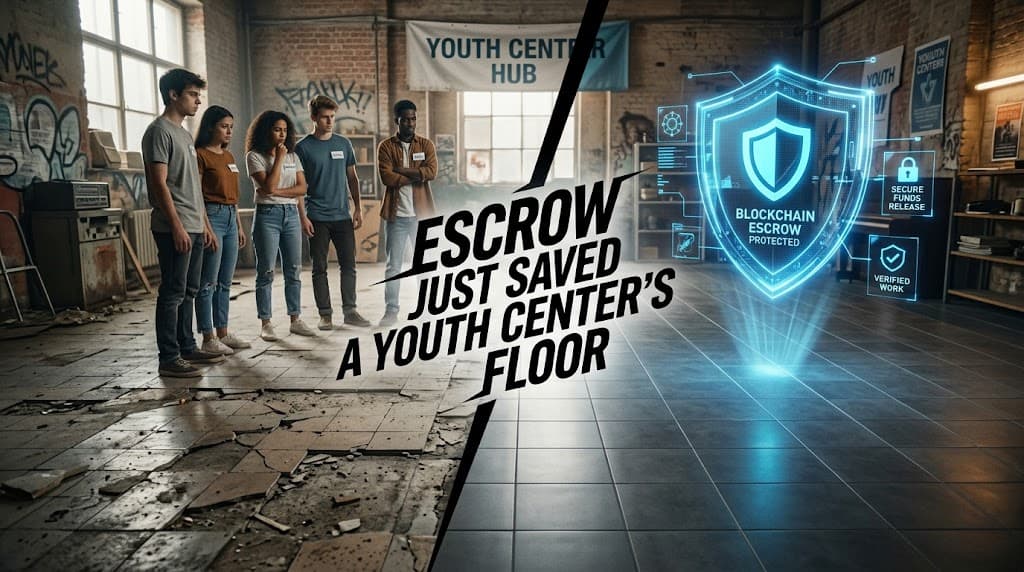
Platforms built for P2P uniform sales address this directly. Escrow systems hold buyer funds in a secure smart contract until the transaction is complete. The buyer knows their money is protected if the item is not as described, and the seller knows the funds are real and waiting. On Fisheez, SmartShell Escrow does exactly this: it holds USDC funds on the BASE blockchain until both parties are satisfied, with no bank or middleman taking a cut from the seller.
Ratings compound over time. Your first successful sale generates your first review. Five honest sales later, you are no longer a new seller. You are a trusted source. In tight-knit communities of emergency responders and volunteers, that reputation travels. A volunteer coordinator who finds a reliable seller of affordable gear will come back, and will tell others.
From One Listing to a Community Resource
Maria listed her three uniform sets individually, priced each carefully, and wrote direct, specific descriptions. All three sold within ten days. The buyer for two of them was a volunteer fire department supply coordinator who reached out after the first purchase and asked if she had more. She did not, but she posted in a local EMS alumni group asking if anyone had gear gathering dust. Four people responded.
That is how peer-to-peer uniform selling works at its best. One honest listing becomes a thread connecting people who have gear to people who need it. The seller recovers real value from items sitting idle. The buyer gets quality workwear at a price that respects their budget. And the community gets better equipped to do the work that holds everything together.
Where to Start Selling Work Uniforms the Right Way
Start small. Pick your best two or three items, photograph them properly, write honest descriptions, and price them fairly. Get your first transaction done and earn your first review. Pay attention to what buyers ask, because those questions will sharpen every listing that follows.
Fisheez is built for exactly this kind of trade. Sellers pay nothing in fees. Buyers pay a tiered service fee starting at 8 percent for purchases under $50 and dropping from there. SmartShell Escrow protects both sides through every transaction. Disputes are handled by Peacemakers, trained community volunteers who serve as neutral arbitrators. And through the Fishlanthropy Foundation, a portion of platform revenue goes back to community causes.
Selling work uniforms to the people who actually need them is not complicated once you know the steps. It is honest commerce with a direct line to community impact. The gear in your storage unit has already done its job for you. Give it the chance to do the job again for someone who needs it.