

The Platform Nobody Expected to Win
Grailed grew 180% year over year in 2024. Not 18%. Not 80%. One hundred and eighty percent. Depop wasn't far behind at nearly 90%. While the industry conversation stayed fixed on ThredUp earnings calls and The RealReal's profitability struggles, two community-driven peer-to-peer platforms quietly rewrote the scoreboard. Resale spending in apparel, accessories, and footwear climbed from a summer low of negative three percent all the way to positive five percent by October 2024, its strongest point of the year, outrunning traditional retail the entire time. Michael Gunther, head of insights at Consumer Edge, put it plainly: brands that align with affordability and sustainability are the ones positioned to thrive. What the data actually shows is something more specific. The winners aren't corporations that added a resale tab to their website. They are communities of people who trust each other enough to trade.
Who Is Actually Buying, And Why It Matters to You
The buyer driving this growth probably looks a lot like your customer. Middle-income consumers earning between $40,000 and $100,000 a year increased their resale spending share more than any other income group in 2024, according to Consumer Edge data drawn from roughly 40 million active cards. The 25 to 44 age group led all demographics with a six-plus percent gain in resale spending share over the first ten months of the year. These are not bargain hunters scraping the bottom of the market. PwC surveyed more than 20,000 consumers across 31 countries and found that 80% are willing to pay more for sustainably produced goods, with the average premium landing at 9.7%. Sabine Durand-Hayes, PwC's global consumer markets leader, noted that even as people cut back on groceries and switch to generics, they are actively choosing to spend more on sustainability. For anyone selling fashion jewelry accessories with a charity impact story behind them, that is not a niche audience. That is your mainstream.
Why P2P Trades Punch Above Their Weight for Artisans
Here is where the math gets interesting. When a seller lists on eBay, the platform takes 10 to 15% off the top. Amazon takes 15 to 45%. Etsy charges 6.5% plus additional fees. Every percentage point that leaves the seller's pocket is a percentage point that cannot flow back into ethical sourcing, artisan partnerships, or community reinvestment. On Fisheez, sellers pay zero in platform fees. The buyer pays a tiered service fee, but the person doing the creating keeps the full sale price. That structural difference compounds across thousands of transactions in ways that matter enormously to the people at the end of the supply chain.
The R.I.S.E. Artisan Fund demonstrates exactly what commerce-linked funding at scale can do. Across more than 15 enterprises, the fund generated over $2.4 million in sales and created livelihoods for more than 12,200 artisans in 15 countries. That is not charity. That is the direct result of routing purchasing power toward ethical trade channels. When fashion jewelry accessories charity impact is built into the transaction structure rather than bolted on as an afterthought, the numbers follow.
The Trust Infrastructure Ethical Trading Requires
Ethical intent is worthless without a safe transaction. This is the part that idealistic pitches about conscious commerce tend to skip, and it is the part that actually determines whether ethical trading scales or stays small. P2P resale's explosive growth is inseparable from trust infrastructure. Buyers and sellers who have never met need a mechanism that protects both sides before anyone takes a risk.
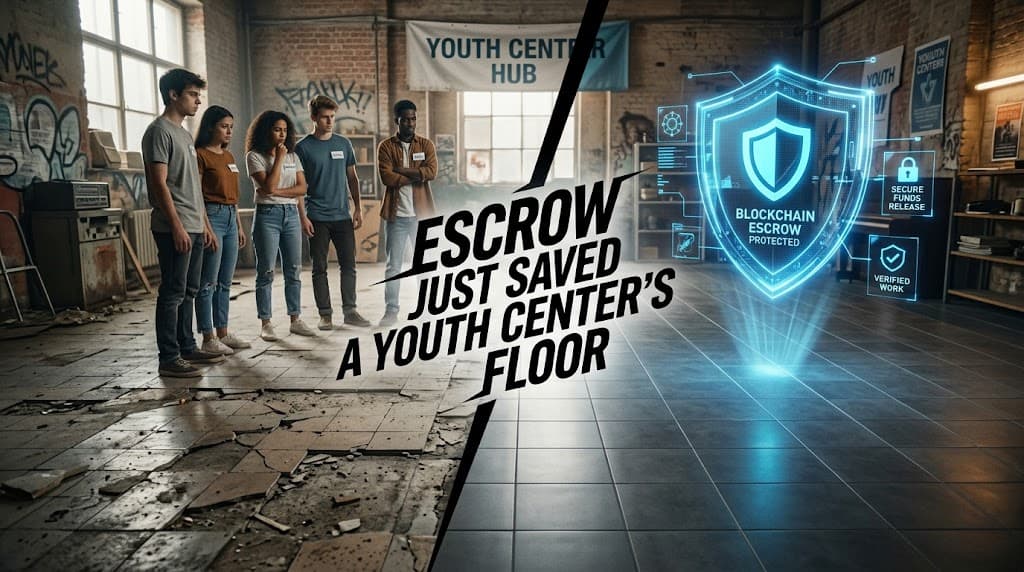
Fisheez builds that protection in at the contract level. SmartShell Escrow locks buyer funds in a smart contract in USDC on the BASE blockchain the moment payment is made. The funds don't move until the deal is confirmed, whether that's through a timer expiry, an early buyer release, or a dispute outcome. No bank in the middle. No platform discretion. When something does go wrong, disputes go to Peacemakers, trained community volunteers who resolve conflicts and are eligible for prize pools through their participation. Their incentive is to be fair, not fast. That is a structurally different system from a corporate customer service queue deciding in favor of whoever files the better ticket.
The emotional stakes here are real. Nearly 75% of Americans report feeling sad, worried, guilty, or angry when a local shop closes. Faire's research found that consumers are willing to spend an extra $150 a month to keep local businesses alive, and 100% of Gen Z respondents said they would take action to help them. Community authenticity, as Chandler Tang of San Francisco's post.script. put it, has to be genuine and clear. Trust infrastructure is what makes that authenticity credible at scale.
What $2M Actually Looks Like on the Ground
Abstract numbers need faces. In Kenya's informal settlements, Bawa Hope works with 140 jewelry artisans creating contemporary ethnic pieces for conscious buyers. In the Tsavo ecosystem, Hadithi Crafts represents more than 65 women's groups across 20 villages, with over 1,800 women weaving baskets and creating jewelry as an alternative to subsistence farming or practices that accelerate deforestation. In Indonesia, Torajamelo connects more than 4,800 artisans through its AHANNA platform, a B-Corp certified model that received a 2024 R.I.S.E. grant. Each of these enterprises exists because someone, somewhere, chose a trade channel that kept more money with makers and routed funding toward communities instead of platform overhead.
Small businesses represent nearly 44% of U.S. GDP and employ roughly half the country's labor pool. Tom Sullivan of the U.S. Chamber of Commerce describes them as the fabric of communities and the backbone of the economy. When you make a fashion jewelry accessories purchase with genuine charity impact behind it, you are not making a symbolic gesture. You are participating in a system that, at sufficient volume, funds exactly the kind of artisan relief described above.
Make Your Next Trade Count
The buyers are already there. Social and P2P commerce channels captured 46% of consumer purchases in 2024, up from 21% in 2019. That is a more than doubling in five years, and it happened because community-driven platforms offer something corporate resale cannot replicate: curation, agility, and genuine connection. Max Rhodes of Faire called these the superpowers of small sellers, and the data backs him up. Corporate brands entering resale have not dented P2P momentum at all.
The infrastructure exists too. When you trade fashion jewelry accessories through a platform built for ethical commerce, the impact compounds in ways a standard marketplace transaction never could. On Fisheez, sellers pay nothing in platform fees, which means the full value of your sale stays with you to reinvest in sourcing, artisan relationships, and the kind of quality that commands that 9.7% sustainability premium. SmartShell Escrow and community Peacemakers mean trust is structural, not aspirational. The Fishlanthropy Foundation, a separate 501(c)(3) that receives 5% of Fisheez revenue, means every transaction on the platform contributes to a community relief fund. TideTurner NFT holders vote on how those funds are allocated, so the people most invested in the platform have a direct voice in where the giving goes.
The only variable left is whether you choose a platform built for this. The growth is happening either way. The question is whether your next fashion jewelry accessories trade leaves a ripple or just a receipt.