

The Night the Trucks Came
Maria heard them at 6 a.m., three days after Helene tore through her neighborhood. She had been sleeping in her car because the heat inside was unbearable, and the knock on her window made her jump. A man in a reflective vest told her he could have her power restored by noon. Cash only, he said. He had a clipboard and a confident smile. She handed over eight hundred dollars she'd pulled from the ATM the day the storm hit.
He did not come back at noon. He did not come back at all.
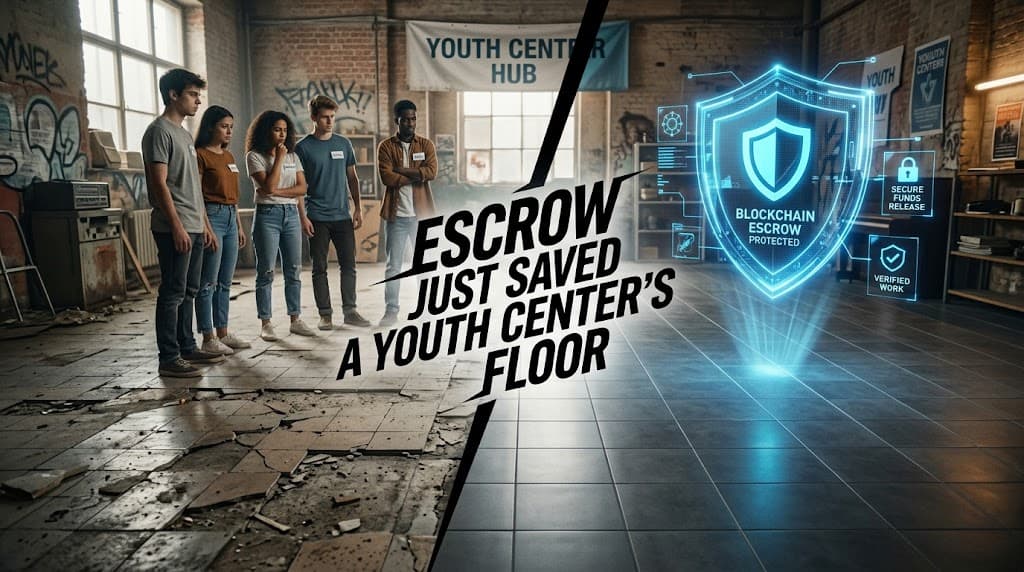
Her neighbor two houses down had a different story. He'd insisted on electrical service escrow before any work began, holding the payment until the job was inspected and signed off. His lights were on forty-eight hours after the storm. FEMA has been warning about this pattern for years: storm chasers arrive in disaster zones before licensed contractors do, and they rely on the chaos and desperation that follows a major outage to collect cash before accountability catches up with them. Maria's story is not unusual. That is the problem.
Why Disasters Break Neighborhoods, Not Just Power Lines
The numbers from 2024 are hard to sit with. The average American experienced eleven hours of power outages that year, double the rate from the prior decade. Roughly eighty percent of that total came from just three storms: Beryl, Helene, and Milton. Hurricane Helene left 5.9 million people without power, including 1.2 million in South Carolina alone, where average outage durations stretched to fifty-three hours. Milton knocked out 3.4 million customers across Florida. Duke Energy customers in the Carolinas sat in the dark for days. In Texas, Beryl left 2.6 million households without service during a brutal summer heat wave.
These are not once-in-a-generation anomalies anymore. Climate scientists and utility analysts both use the word "baseline" now, meaning this is what normal looks like going forward. When the lights go out for days at a stretch, the pressure to hire anyone who shows up with tools becomes overwhelming. That pressure is exactly what bad actors count on.
The Scam Pattern Nobody Warns You About Until It's Too Late
The scale of disaster fraud in the United States is staggering, and most people only learn about it after they've been a victim. The National Insurance Crime Bureau estimates that disaster-related fraud costs Americans $9.3 billion annually. In 2023, the FTC received 83,000 complaints tied to contractor fraud and related scams. By 2025, the FTC had returned $339 million to victims through enforcement actions, which sounds significant until you realize it represents a fraction of what was taken.
Cash-only demands are the hallmark of the scam. Legitimate contractors use written contracts, accept traceable payments, and carry licensing. Storm chasers work the opposite way: they target neighborhoods that just took a hit, quote prices that feel reasonable under the circumstances, and vanish before any complaint can reach them. The anger you feel reading this is appropriate. The system that allows this to happen is failing the people who can least afford to absorb the loss.
The $30 Tool That Changes Everything
Electrical service escrow is not complicated, and it does not require a lawyer. The basic mechanic is simple: a neutral third party holds your payment until the work is completed, inspected, and approved. On a $1,500 repair job, the escrow fee typically runs between $15 and $30. California has codified consumer protection around this, capping contractor deposits at ten percent or $1,000, whichever is lower. Studies on construction escrow accounts show that using escrow reduces downstream legal costs by more than thirty percent, because most disputes never escalate when both parties know the money is held by a neutral party.
This is not a new idea for high-stakes work. Government infrastructure contracts have required escrow arrangements for decades. The reason it has not filtered down to residential electrical repair is simple: nobody with market power had an incentive to push it there. That is changing. Using electrical service escrow on even a modest repair creates a paper trail, establishes accountability, and removes the core advantage the cash-only scammer depends on. It is not a perfect solution. It is a thirty-dollar one.
What the Data Shows About Community Recovery
Research from Stanford's Ram Rajagopal and colleagues offers a useful frame here. Their modeling found that undergrounding twenty-five percent of above-ground power lines would reduce outage frequency by roughly 39.7 percent. That is a significant finding, and it points toward long-term infrastructure investment as part of the answer. But undergrounding is expensive, slow, and dependent on utility company decisions that individual homeowners cannot control.
What the data also shows is that non-major outages still average about two hours per customer per year even under current conditions, and in states like Hawaii, that number reaches 4.4 hours. These are not rare disruptions. They are recurring costs that neighborhoods absorb season after season, and recovery speed depends substantially on whether homeowners can hire reliable help quickly. The difference between a fast hire and a scam hire often comes down to whether a payment protection mechanism was in place from the start.
How Your Block Recovers Together
Here is what the individual story misses: when Maria lost eight hundred dollars to a storm chaser, she also delayed her recovery by two weeks while she found and vetted a legitimate electrician. During those two weeks, her house stayed dark. Her kids stayed at her sister's place across town. She missed work. That ripple moves outward. Neighborhoods where residents have been scammed take longer to stabilize, and the distrust that follows makes future coordination harder.
When escrow becomes a default expectation in a community, it changes the economics for scammers. Storm chasers go where the cash flows freely. Electrical service escrow tightens that flow and pushes bad actors toward communities that haven't learned the lesson yet. It is not a perfect shield, but it is a meaningful one.
Fisheez built its SmartShell Escrow on this exact principle: hold funds on the BASE blockchain in USDC, release them only when milestones are met and both parties agree. The nested contract structure allows for staged releases on larger jobs, so a homeowner paying for panel replacement can tie each payment to a verified phase of completion. When disputes arise, Peacemakers, community volunteers who serve out of commitment to fair outcomes rather than financial incentive, can step in to help both sides reach resolution without escalating to lawyers or courts.
The Fishlanthropy Foundation, its 501(c)(3) arm, directs five percent of revenue toward community financial education, which includes helping neighborhoods like Maria's understand electrical service escrow before the next storm, not after. That timing matters. The truck at 6 a.m. is not the moment to learn this lesson for the first time.
Your neighbor who had power in forty-eight hours knew something Maria didn't. Now you do too. The next storm is already forming somewhere. What you put in place before it arrives is the only thing you control.