

The Moment the Bids Start Climbing
The chat is moving fast. Someone just dropped $340 on your rack of cams, and two bidders are now going back and forth in real time. You call out the item, remind everyone these are barely used Black Diamond units, and watch the number tick up to $480. That is a live auction climbing gear session working exactly the way it should. The energy is different from posting a static listing and waiting three days for a lowball offer. When you run a live auction right, gear that might have sat for weeks on a resale platform sells in minutes, at prices that actually reflect what it is worth.
Live commerce is not a trend that is cooling off. The US market is projected to hit $68 billion in 2026, and conversion rates for live sales run between 9 and 30 percent, compared to 2 to 3 percent for traditional eCommerce. The hobbyist climber decluttering a full rack of gear after a season upgrade is sitting on an opportunity most people underestimate.
What to Pull From the Gear Room (and What to Leave)
Before you think about stream setup or pricing, you need to triage your inventory. The general rule in climbing gear resale is straightforward: hard goods sell well, soft goods require real scrutiny. Cams, carabiners, ice screws, belay devices, and ascenders are almost always viable for resale if they are in good condition. Ropes, harnesses, slings, and draws need a close inspection. Look for sheath abrasion, core damage, significant UV exposure, and any history of a serious fall load. If there is visible damage on soft goods, they do not go in the auction lot.
For your hard goods, check metal surfaces for cracks, gate action on carabiners, and cam lobe function. Clean everything thoroughly, because buyers in a live auction are making fast visual judgments. A dirty piece of gear reads as neglected, even when the underlying condition is fine. Group similar items together into logical lots: a set of nuts and hexes makes more sense as a bundle than as individual pieces, and bundling tends to drive higher total bids.
Prep That Pays: Cleaning, Staging, and Pricing Your Gear
Pricing is where most first-time sellers leave money on the table or scare off bidders entirely. The benchmark to use is eBay's sold listings filter, which shows what equivalent items actually cleared for, not just what sellers are asking. Gear typically loses around 50 percent of its retail value the moment it leaves the store, so calibrate accordingly. A $250 cam set in excellent condition is realistically a $120 to $140 item in a live auction climbing gear context, though competitive bidding can push it beyond that floor.
Staging for the camera matters more than most people expect. Shoot your preview photos and stream footage in natural light, ideally outdoors, with multiple angles and close-ups of any branding and any wear. Think of it the same way you would think about a dating app photo: clear, realistic, and showing the item honestly from its best angle. Timing also affects results; summer camping and climbing gear moves fastest when listed in late spring, when buyers are actively planning their season.
Running the Stream: Engagement That Drives Bids
A live auction climbing gear stream lives and dies on your ability to keep the energy up and the chat engaged. Set a consistent broadcast day and time, because repeat viewers drive repeat bids. Weekday evenings between 7 and 9 PM local time consistently outperform other windows for audience size. Before the stream starts, tell your audience exactly what lots are coming up and in what order, so serious bidders know when to tune in hard.
During the stream, narrate the item in front of you: where you used it, how many seasons, what condition it is in now. That context is what separates a live sale from a photo listing. Use countdown timers when you are about to close a lot, because visible urgency pushes hesitant bidders to commit. Polls work well between lots to keep the chat warm and signal to the algorithm that your stream is active. Live commerce data consistently shows that platforms reward engagement, not just view count.
Hybrid Auctions: Bringing In-Person and Online Bidders Together
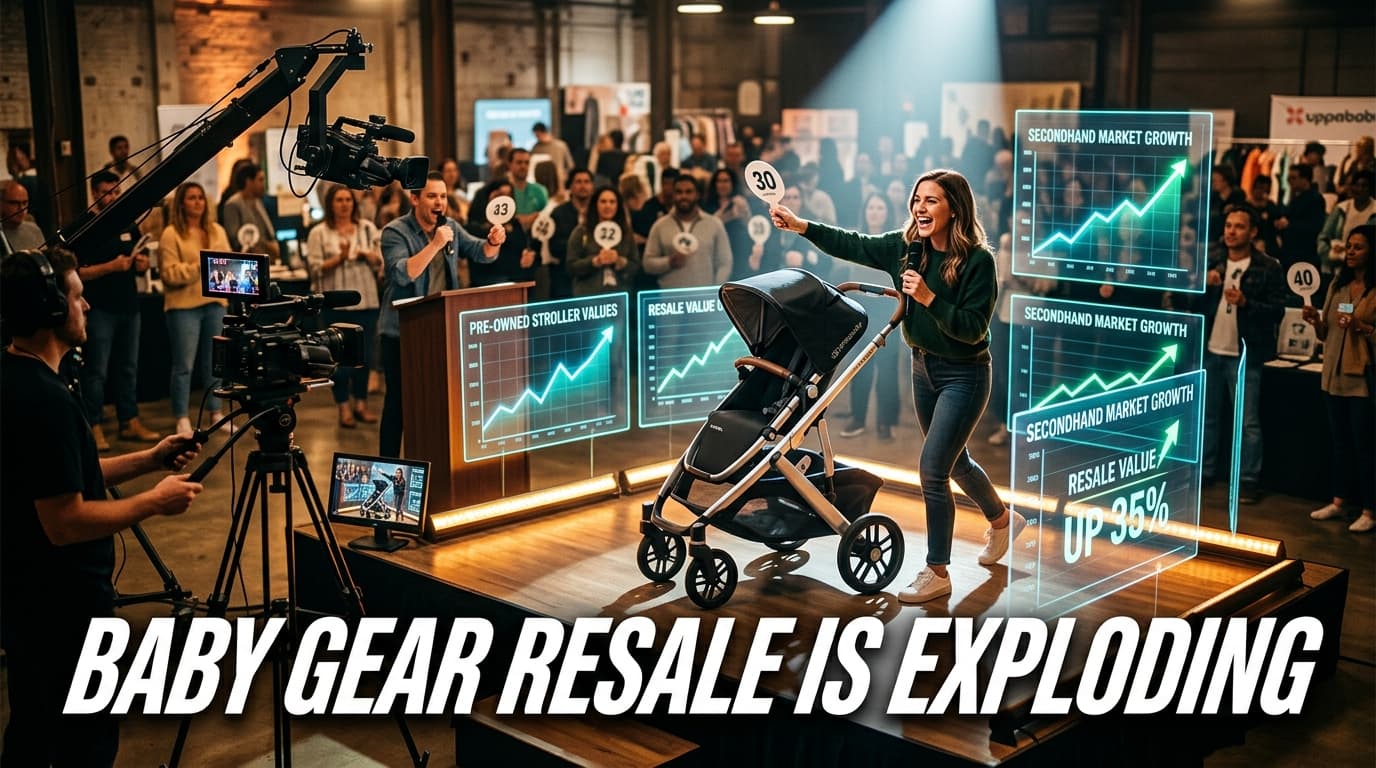
Running a hybrid setup, with people physically present and online bidders joining simultaneously, is where you get the best of both formats. The key mechanics are simple but important. Display the current high bid on a screen visible to anyone in the room, so your in-person audience knows they are competing with people online. Announce clearly at the start that both crowds are bidding together, because discovering that mid-session frustrates everyone.
Simulcast auctions use a soft close or extended bidding mechanism that prevents last-second sniping and gives every bidder a fair window to respond after a competing bid comes in. This drives prices higher by keeping more people actively engaged longer. The more competition you can introduce, in the room and online simultaneously, the closer you get to true market value on each lot.
Closing the Deal Without the Chaos
The part most sellers do not think hard enough about is what happens after the hammer falls. Someone wins the bid at $500. Now what? If you ran the session on a platform with no payment protection and no clear dispute path, you are hoping the buyer follows through. Across millions of live sales, the gap between a completed transaction and a dropped deal often comes down to whether payment is locked in before the item leaves your hands.
This is exactly where platform choice matters. Most live selling on Facebook or Instagram offers no built-in payment enforcement, which is why Meta eventually shut down its live shopping features entirely. The better approach is a platform where payment is secured at the moment of commitment.
Fisheez is building live selling with SmartShell Escrow, its smart contract system on the BASE network. When a buyer commits to a bid, funds lock in USDC until the deal closes. No middleman, no waiting on bank transfers, no chasing payment after the stream ends. Sellers on Fisheez pay zero platform fees; the tiered buyer fee runs from 0.5 to 8 percent depending on transaction size. For a live auction climbing gear session where you are moving $300 to $600 lots, that structure is significantly cheaper than the 10 to 15 percent sellers absorb on eBay.
The goal is to run a session where the energy is high, the bids are competitive, and the close is clean. With the right gear triage, solid prep, an engaged stream, and payment protection built into the platform, that $500 bid is not a ceiling. It is a starting point.