

Silver Shortage Alert: Why Online Sellers Should Watch the Squeeze
You're checking the news, watching another uptick in Bitcoin or waiting for your PayPal payment to clear, when you notice something odd happening in the commodity markets. Silver just hit $100 per ounce for the first time ever—a number that seems almost surreal when you remember it was trading at $25 just a couple years ago. But this isn't just another price spike; it's a fundamental breakdown. According to the Silver Institute, the silver market is heading for its sixth consecutive year of structural deficit in 2026, with 67 million ounces projected short.
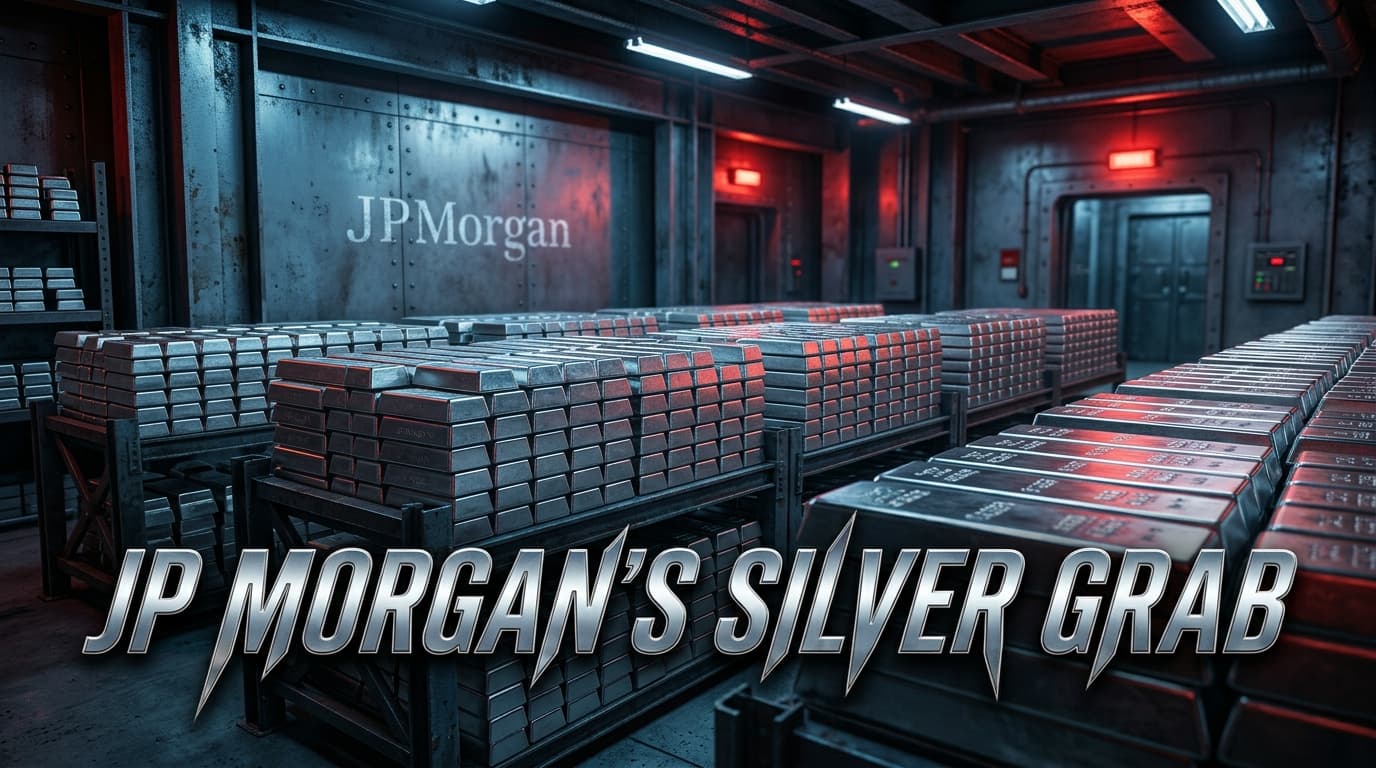
While you might think precious metals have little to do with your online business, this shortage affects everything from industrial supply chains to the stability of financial markets your customers rely on. Right now, JP Morgan Chase—the same bank that administers the massive iShares Silver Trust (SLV) ETF—reportedly took physical delivery of 12 million ounces of silver in just two weeks. That's not paper trading; that's pulling actual metal out of vaults at a time when inventories are already thinning.
The disconnect here is critical for anyone transacting in digital or physical goods. The SLV fund trades millions of paper shares backed by silver that might not exist in sufficient quantity if everyone demanded physical delivery at once. This creates a potential time bomb in the financial system that could send shockwaves through broader markets—including the crypto markets where many online sellers operate.
You're not just watching a silver shortage; you're watching a test of confidence in paper promises versus physical reality. And when that test happens, it affects currency values, inflation expectations, and ultimately, the purchasing power of every dollar, euro, or Bitcoin your customers use to buy what you're selling.
JP Morgan's Silver Play: 12 Million Ounces and Market Deficit Details
Let's get into the numbers because they tell a story you need to understand. That 67 million ounce deficit the Silver Institute projects for 2026 represents more than just a supply crunch—it's the sixth year in a row where industrial consumption and investment demand outpace mine supply. When you're running that kind of deficit year after year, inventories get drained, and prices respond with volatility that makes Bitcoin's daily swings look tame by comparison.
JP Morgan's own research team, according to their commodities outlook, anticipates silver prices averaging $81 per ounce this year—more than double its 2025 average. But here's where it gets interesting: JPMorgan is simultaneously taking delivery of massive physical silver while issuing public research that appears conservative compared to current spot prices above $100. This dual positioning creates a conflict of interest that should raise eyebrows for anyone in markets.
The SLV fund itself is the elephant in the room. It holds paper claims to silver that far exceed the physical bullion available in registered COMEX warehouses. According to some analysts, if just a fraction of SLV shareholders demanded physical delivery, the system would break because there isn't enough actual silver to go around. JP Morgan, as the custodian and authorized participant for SLV, sits at the center of this tension between paper promises and physical reality. Their 12 million ounce purchase isn't just an investment; it's a strategic move to secure physical metal ahead of what they likely see as growing delivery risks.
What this means for you as an online seller is that commodity market stresses don't stay isolated. When institutional players start hoarding physical assets, it signals a loss of confidence in paper financial instruments—including the fiat currencies your customers use every day.
Silver Squeeze Incoming: Impacts on Broader Markets and Crypto
If a genuine silver squeeze unfolds—where paper claims can't be satisfied with physical metal—the shockwaves won't stay contained to commodities markets. We're talking about a potential domino effect that hits everything from stock portfolios to crypto holdings. According to a CoinDesk report, silver's extreme volatility has already caused major crypto liquidations when prices swung dramatically, demonstrating the interconnected nature of modern financial markets.
Think about what happens when traders holding leveraged positions in silver ETFs get margin calls. They don't just sell silver—they sell whatever they can to meet those margin requirements. That means dumping Bitcoin, altcoins like Ripple (XRP), and other risk assets in a cascade that amplifies the initial move. Online sellers accepting crypto payments might suddenly see Bitcoin drop 20% in a day not because of any crypto-specific news, but because a metal that's been part of financial systems for centuries is experiencing a modern-day run on its physical supply.
The timing matters too. With the Silver Institute projecting a 67 million ounce deficit and JP Morgan quietly pulling 12 million ounces off the market, the physical shortage could trigger a squeeze within weeks rather than months. That's not enough time for miners to ramp up production or for industrial consumers to find alternatives. The sudden realization that the SLV fund might not be fully backed could spark panic selling of the ETF itself, which would create downward pressure on silver prices initially—followed by a violent upward spike when physical metal becomes unavailable at any price.
This matters for online sellers because your customers' portfolios affect their spending power. When silver volatility triggers crypto liquidations, the resulting fear spreads across digital asset markets, potentially freezing capital that would otherwise flow into purchases of goods and services. You're not just watching commodity markets; you're watching the confidence that underpins every transaction you make.
Protecting Your Sales: Hedging Volatility with Stable P2P Crypto Tools
This volatility isn't something you just have to endure as an online seller—you can build defenses into how you transact. The key is moving away from payment methods that expose you to silver squeezes, Bitcoin price swings, and the whims of traditional financial institutions. Platforms like Fisheez offer a different approach: peer-to-peer transactions secured by SmartShell Escrow on the BASE blockchain, where the buyer's money locks into a stablecoin like USDC while the deal completes.
With USDC escrow, you're not holding volatile Bitcoin that could plummet because of silver margin calls happening on the other side of the world. The value stays stable at $1 per USDC, completely immune to the commodity price swings we've been discussing. When your customer pays, their USDC gets locked in smart contract escrow until you deliver the goods—if something goes wrong, neither party gets stuck holding a suddenly devalued crypto asset. This creates a predictable transaction environment where you know exactly what you'll receive, regardless of what happens to silver, Bitcoin, or traditional currencies.
Compare this to selling on traditional marketplaces where you might wait days for PayPal or bank transfers to clear while silver volatility wipes out customer confidence. On Fisheez, sellers keep 100% of their listing price (buyers pay a tiered service fee), and SmartShell Escrow automatically releases funds when preset conditions are met. There's no waiting for financial institutions to sort out their silver-backed paper claims—just clean peer-to-peer transactions with blockchain protection.
The beauty of this approach is that it decouples your sales from broader market chaos. While silver squeezes trigger crypto liquidations and traditional payment rails face stress, your USDC-denominated transactions continue smoothly. You're not betting against JP Morgan's silver play or hoping Bitcoin doesn't crash—you're using technology designed for exactly this kind of market uncertainty to protect what matters most: getting paid for what you sell.