

The Platform Always Picks a Side
Most people assume marketplace dispute systems are designed to be fair. They're not. Every major platform you use has a structural incentive to protect one side of a transaction over the other, and that incentive has nothing to do with who's right.
CobbleWeb's research on platform dispute dynamics makes the mechanics explicit: platforms bias outcomes toward whichever user group is scarcer and harder to replace. Etsy protects sellers because handmade sellers are harder to recruit than buyers. Airbnb protects hosts because unique properties can't be manufactured on demand. The system isn't broken. It's working exactly as designed, just not in your favor.
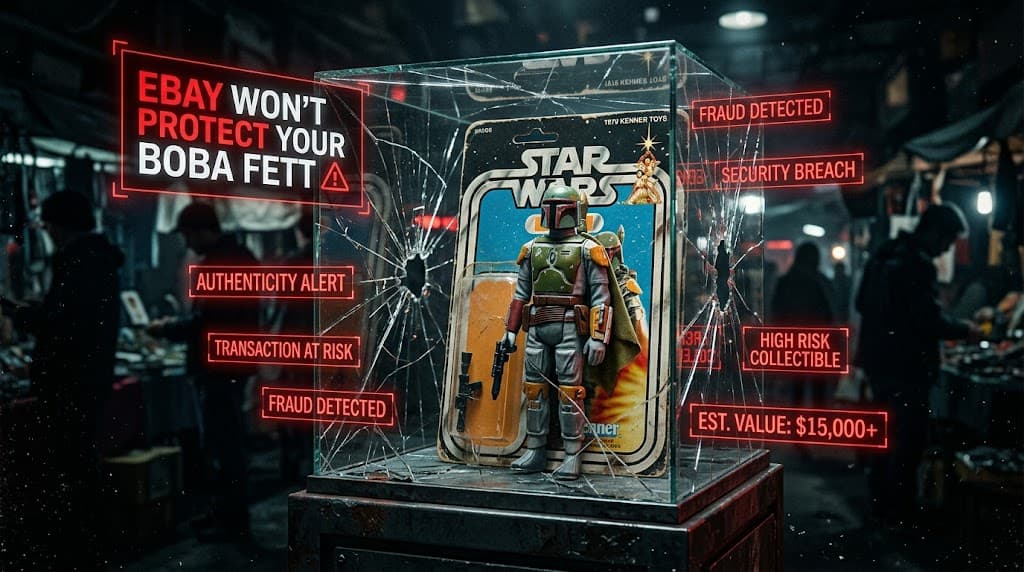
eBay's Resolution Center takes the bias a step further by embedding financial pressure directly into the process. Sellers who reject a dispute outcome face a $20 fee, which functions less like a penalty and more like a coercion mechanism. If the disputed item costs less than the fee to fight, the math forces a concession regardless of whether the seller did anything wrong. That's not arbitration. That's structured capitulation.
UNCTAD's Research Paper No. 72 documented the broader problem: consumer protection mechanisms have "lagged behind" the rapid growth of ecommerce, leaving buyers and sellers operating inside systems that weren't designed to protect either of them at scale. The trust damage is measurable. Research consistently shows that one bad dispute experience causes roughly 33% of consumers to abandon a brand entirely, and that number climbs when the outcome feels arbitrary or opaque.
How Bad Is the Fraud and Dispute Problem, Really?
The scale of the problem is worth sitting with before talking about solutions. According to Ravelin's marketplace fraud research, 79% of online marketplaces reported an increase in fraud over the past year. The average marketplace loses $10.2 million annually to fraud-related activity. Those aren't outlier numbers from fly-by-night operations. Those are the averages across an industry that processes trillions of dollars annually.
Between 3% and 5% of ecommerce transactions end in some form of dispute. When you factor in the 17.6% average return rate across ecommerce as of 2023, you start to see the true volume of contested transactions that platforms are trying to manage. The dispute resolution infrastructure isn't a rarely-used escape hatch. It's a core operational layer that affects a material percentage of every transaction.
The financial case for getting this right goes beyond reducing fraud losses. Customer retention costs 5 to 10 times less than customer acquisition. A dispute system that burns trust doesn't just lose you one transaction. It ends a relationship that might have been worth thousands of dollars over years. Platforms that treat dispute resolution as a liability to minimize are leaving their most loyal users exposed and their lifetime value projections quietly bleeding out.
Community Arbitration Has Already Been Proven, Twice
The idea that community members can resolve disputes fairly at scale isn't theoretical. It's been tested, and the results are compelling.
Taobao, Alibaba's consumer marketplace, built a community arbitration system that reached 575,000 active jurors handling more than 238,000 disputes per year by 2012. Jurors reviewed evidence submitted by both parties and voted on outcomes. The system operated at a scale no corporate review team could match, and it distributed the decision-making load across a community with genuine skin in the game, because Taobao's reputation affected their own buying and selling experience on the platform.
Mexico's Concilianet online dispute resolution system tells a similar story from a different direction. Designed for consumer-business disputes, it achieved a 96% settlement rate and resolved cases roughly 50% faster than traditional channels. The efficiency gains came from structure and process, not from forcing outcomes. When people are given a fair arena and a clear timeline, they resolve things.
eBay actually understood this at one point. The eBay Community Court used 21 randomly selected community members to hear appeals. It ran, it worked, and then eBay quietly shut it down rather than scaling it. The corporate decision-making model was easier to control, even if it was worse for users. UNCTAD's research on online dispute resolution found that both in-house and third-party ODR systems show measurable positive results on trust when implemented properly. The question was never whether community arbitration works. The question was whether platforms wanted to give up control of the outcome.
Meet the Peacemakers: Who They Are and How They're Chosen
Fisheez dispute resolution is built around a role called the Peacemaker. Peacemakers are community volunteers, trained in the platform's dispute standards, who review evidence and vote on outcomes when a transaction goes sideways. They are not Fisheez employees. They are not paid per dispute. They are community members who earn eligibility through the Pearl Engine, Fisheez's reputation system that tracks platform behavior over time.
The Pearl Engine gating matters because it filters for members with real history on the platform. You can't create a fresh account and immediately volunteer as a Peacemaker. Eligibility requires building a reputation through actual participation, which means the people voting on your dispute have something to lose if the system develops a reputation for bad outcomes. Their status and their eligibility for community prize pools depend on the integrity of the process.
Peacemaker selection for individual cases uses a randomization layer to prevent coordination or favoritism. No Peacemaker knows in advance which cases they'll be assigned to. The contrast with eBay's model is stark: eBay's resolution process routes your case to an anonymous corporate employee who makes a final call with no transparency, no stated reasoning, and no recourse. Fisheez routes your case to a randomly selected panel of community members whose eligibility depends on their reputation for fair participation.
How a Dispute Actually Gets Resolved on Fisheez
The Fisheez dispute resolution process runs on a structured seven-day timeline with defined phases and no room for a platform override. Understanding the mechanics makes the difference between the old model and this one immediately obvious.
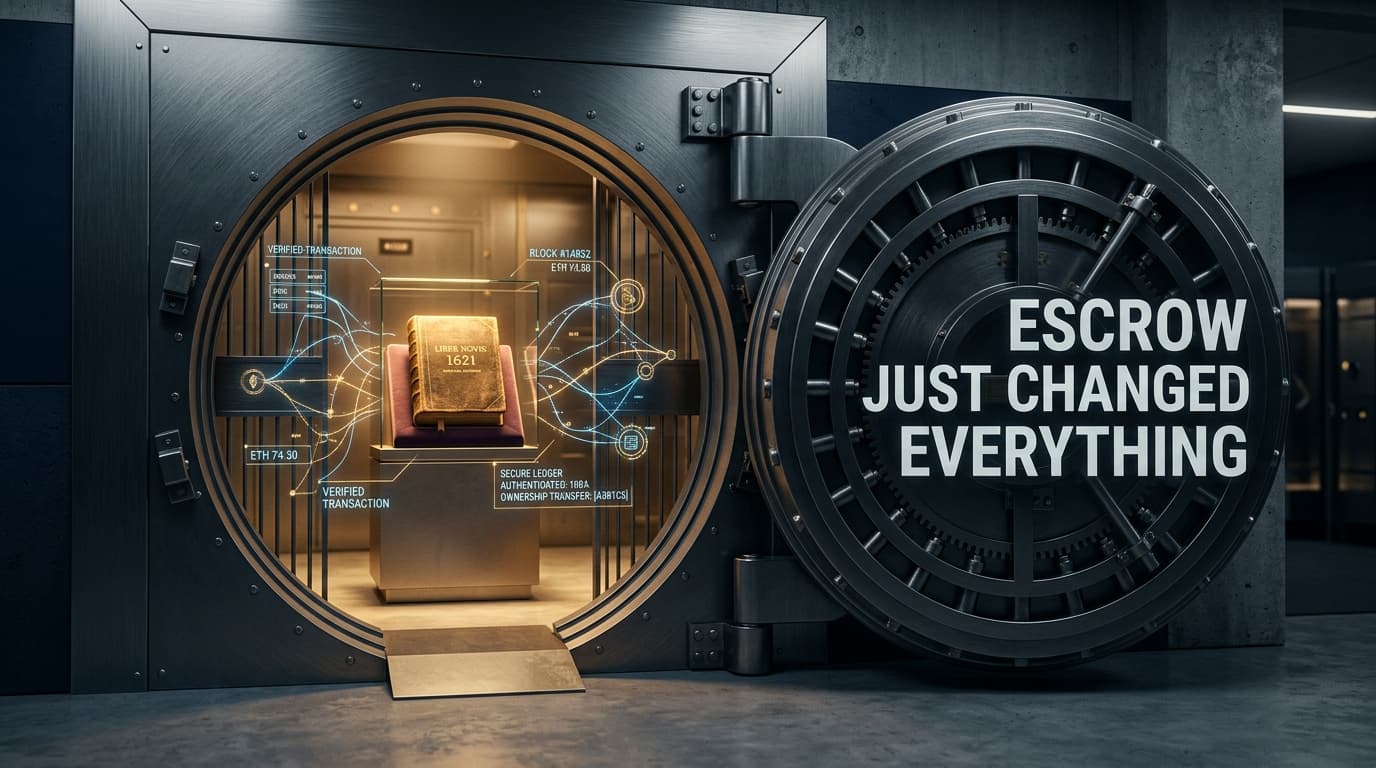
When a dispute is filed, SmartShell Escrow holds the transaction funds in USDC on the BASE network. The funds don't go anywhere while the dispute is active. Neither party can access them, and Fisheez cannot touch them. The escrow contract is the lock; the dispute outcome is the only key.
Both parties have 48 hours to submit evidence: messages, photos, shipping records, or any documentation relevant to the transaction. After evidence closes, there's a 48-hour question-and-answer phase where Peacemakers can request clarification directly from the parties. Then comes the 48-hour voting window, where the assigned Peacemakers review everything and cast their votes. The final 24 hours are reserved for appeals, after which SmartShell auto-executes the outcome. Funds release to the appropriate party without any human at Fisheez touching a button.
For cases where the vote is tied, Chainlink VRF provides a cryptographically verifiable random tiebreaker. There's no committee meeting, no escalation to a manager, and no judgment call from someone who has a financial interest in the outcome. The process runs to completion and the contract executes.
Why Fisheez Can't Override the Outcome, and Why That's the Point
This structural feature is the one that separates Fisheez dispute resolution from every other marketplace model in meaningful circulation. Fisheez removed itself from the outcome. Not as a policy. Not as a promise. As an architectural fact.
When SmartShell is holding funds and a dispute panel has voted, there is no lever for Fisheez to pull to redirect the result. A seller can't call a Fisheez account manager and apply pressure. A high-volume buyer can't threaten to leave and change the vote. The platform can't quietly adjust the outcome to protect a relationship with a top merchant. The vote runs, the contract executes, and that's the result.
This is the trust crisis UNCTAD was describing when they noted that consumer protection has lagged ecommerce growth. The lag isn't technical. Platforms have always had the technical ability to implement fairer systems. The lag is structural. Platforms that control outcomes have incentives to skew them, and users who understand that dynamic eventually stop trusting the system. When Etsy or Airbnb adjusts outcomes toward the supply-scarce party, they're making a rational business decision. They're also slowly eroding trust with every user who figures out how the math works.
Fisheez's answer is to make the conflict of interest impossible rather than asking users to trust that the platform will resist it. ODR built into the transaction layer, with community governance and contract execution, means the question "will Fisheez be fair to me?" doesn't depend on anyone's good intentions.
What Happens Next: Using Fisheez With Confidence
If you're approaching Fisheez as a buyer, SmartShell Escrow means your funds are protected from the moment you commit to a purchase. You're not sending money and hoping. You're locking funds in a contract that only releases when the deal completes on terms both parties agreed to, or when a community panel determines what a fair outcome looks like.
If you're approaching Fisheez as a seller, the fee structure matters: sellers pay 0% on transactions. The buyer pays a tiered fee that starts at 8% for purchases under $50 and drops to 0.5% on transactions over $10 million. You're not absorbing platform costs, and you're not subject to a dispute system that coerces you with fees the way eBay's model does. Your outcome is decided by evidence and community vote, not by a corporate employee with no accountability to either party.
If you want a more active role in the system, Peacemaker eligibility opens up as you build reputation through the Pearl Engine. Community members who reach the eligibility threshold can participate in dispute panels, contribute to the integrity of the platform, and become eligible for prize pools tied to community participation.
The retention research is worth remembering here: keeping a relationship costs 5 to 10 times less than rebuilding one after it breaks. Fisheez dispute resolution isn't designed to end the transaction and move on. It's designed to resolve the specific disagreement in a way both parties can accept, so the platform relationship survives. A dispute doesn't have to mean a lost customer. The right process makes it a test the platform passed.
Start by exploring how SmartShell Escrow works on your first transaction. The mechanics become intuitive quickly, and once you've seen how the funds-hold and evidence submission process runs, the Peacemaker layer makes immediate sense as the natural extension of it.