
The Window Is Open: Why Dozer and Loader Values Are Climbing
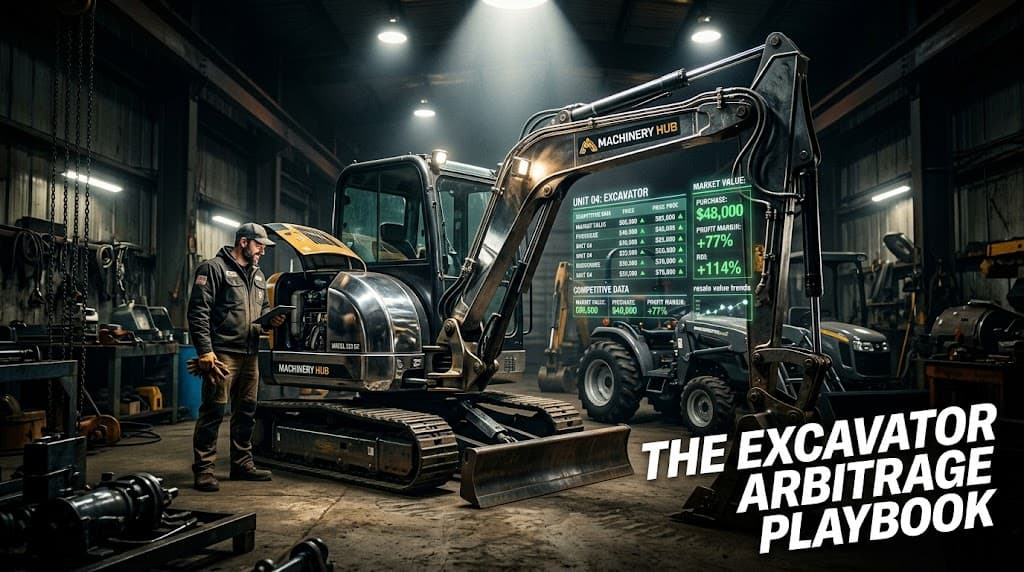
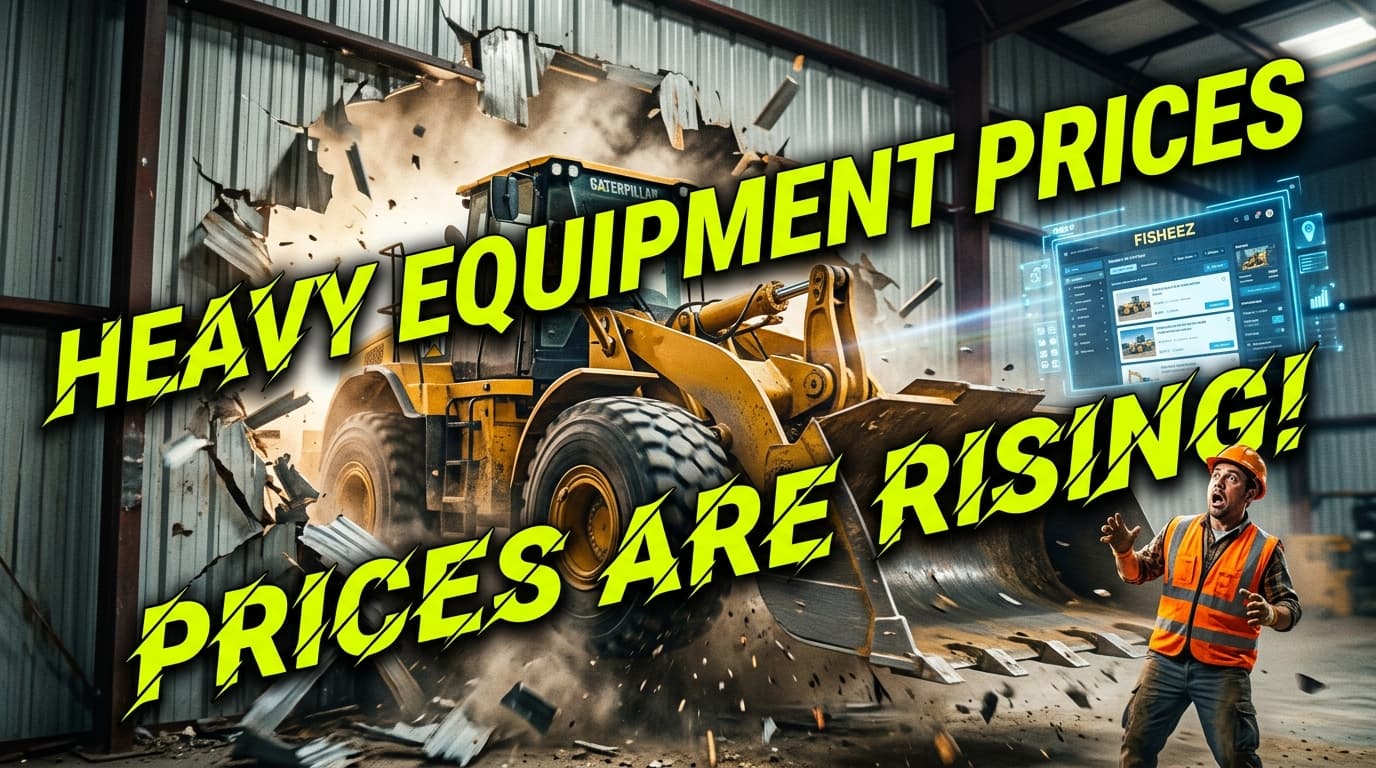
The used heavy equipment market has been sending clear signals for anyone paying close attention. After a prolonged period of supply chain disruption, new machine shortages, and elevated dealer premiums, the pendulum is starting to swing back in a direction that rewards buyers who move early. Used dozers and wheel loaders, long the backbone of small contractor fleets, are showing renewed appreciation in auction lanes and private listings alike. If you are a small contractor sizing up your next machinery investment, the timing question is no longer theoretical. It is urgent.
Construction activity remains elevated across residential, infrastructure, and industrial sectors. Federal investment in roads, bridges, and public works has kept earthmoving demand strong even as financing costs have added friction to fleet expansion. The squeeze has pushed more buyers toward the used market, and that increased demand is doing exactly what you would expect to values. Machines that sat soft through 2023 have found a floor, and in certain categories, that floor is rising. Waiting for prices to dip further is a reasonable instinct, but the data does not support it right now.
What the Used Equipment Market Is Actually Telling You
Auction results across major platforms have shown used dozer values trending upward on a year-over-year basis, a notable divergence from the broader softening seen in other heavy equipment categories. Crawler dozers in the mid-range horsepower class, the kind that power residential site work and utility installation, have held value with particular resilience. Wheel loaders in the compact and mid-size range are seeing similar patterns, driven by steady demand from municipalities, landscapers, and general contractors who cannot justify waiting for new machine availability. Equipment World and other industry publications have tracked this trend consistently across recent auction cycles.
What makes this moment worth acting on is the combination of factors converging at once. New equipment lead times, while improved from their worst peaks, have not fully normalized. Dealers remain selective about inventory. And inflationary pressure on replacement parts has made well-maintained used iron increasingly attractive compared to running an older, tired machine into the ground. Industry observers have noted that buyers who established their used equipment positions early in a demand cycle consistently outperform those who wait for certainty. Certainty, in equipment markets, is expensive.
The used equipment buying strategies that experienced contractors swear by share a common thread: buy before the crowd recognizes the trend, not after. That means acting when listings are plentiful and sellers still have some urgency. It means knowing your resale floor before you commit to a purchase. And it means reducing transaction friction so that the savings you find on the machine do not evaporate in brokerage fees, consignment cuts, or awkward payment logistics. Platforms like Machinery Trader offer useful market reference points when you are benchmarking what a machine should cost before you pull the trigger.
Where Fisheez Changes the Math on Large Equipment Deals
Peer-to-peer transactions on heavy equipment have always made financial sense in theory. A direct deal between a seller retiring a machine and a buyer who needs it cuts out the dealer margin. The problem has always been trust. How does a buyer in one state send $60,000 to a seller they found online without a layer of protection that actually works? How does a seller know the funds are real before they hand over the keys?
Fisheez solves this with SmartShell Escrow, a smart contract on the BASE blockchain that locks buyer funds in USDC the moment payment is made. The seller knows the money is real and secured. The buyer knows their funds cannot be released until the deal is confirmed complete, through a timer expiry, an early release they trigger themselves, or a dispute resolution outcome. There is no bank wire, no third-party broker, no consignment fee taken off the top. For a $60,000 loader deal, that distinction is not a minor convenience. It is a meaningful part of the transaction economics.
The fee structure on Fisheez is buyer-paid and tiered across 20 levels, scaling down as transaction values rise. Sellers pay nothing to list or transact. For a buyer purchasing a $60,000 machine, the service fee comes in well below what a traditional equipment broker or auction house would charge for comparable deal facilitation. That gap only widens on larger purchases.
The TideTurner NFT Advantage: Fee Math That Scales With Your Deals
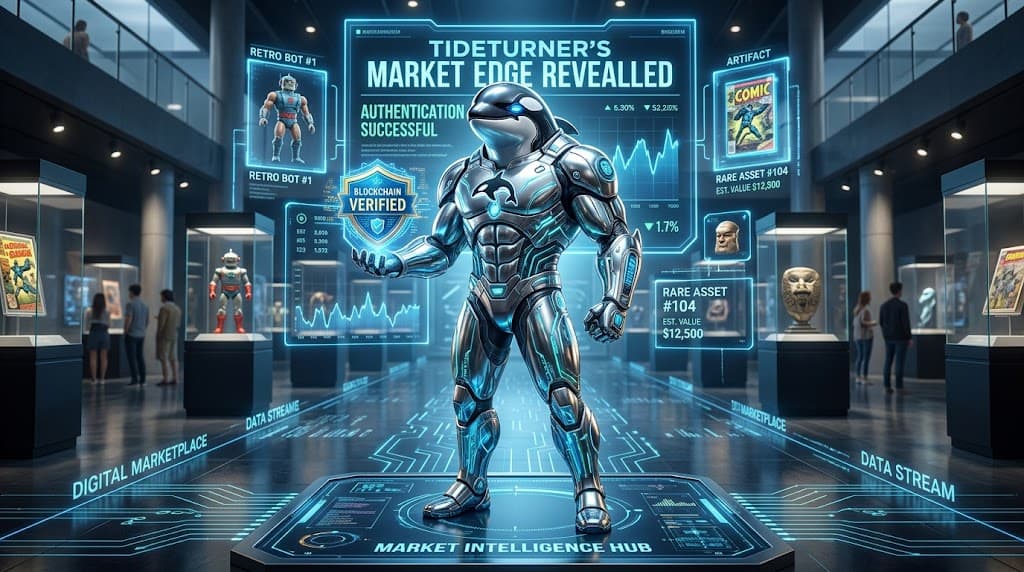
This is where holders of a TideTurner NFT separate themselves from the broader buyer pool. TideTurner NFTs are discount membership tokens that reduce the buyer-paid service fee based on the level held. The Whale TideTurner delivers a full 100% fee discount. The four lower tiers, Octopus, Dolphin, Starfish, and Seahorse, each carry their own discount percentage, with Seahorse starting at 20% off.
On a $50,000 equipment purchase, even a partial fee reduction adds up to real money. A Whale TideTurner holder executing that transaction pays no service fee at all. Across a season of equipment acquisitions, where a small contractor might be moving two or three machines, the cumulative savings scale into figures that matter to a small business budget. The discounts apply to any purchase on the platform, meaning the TideTurner NFT is not a narrow benefit but a general-purpose cost reducer across everything from a used plate compactor to a late-model crawler dozer.
Critically, TideTurner NFTs are resellable. They are not a subscription that evaporates at the end of the year. They carry market value. A contractor who holds a Whale TideTurner NFT and later decides to exit the platform can sell the token and recover a portion of their original cost. That resale optionality changes the calculus entirely. You are not paying an annual fee that disappears. You are acquiring an asset that works while you hold it and can be liquidated when you no longer need it. For a financially literate contractor, that distinction between a sunk cost and a position is the whole game.
Who This Is For, and How to Get Started
If you are running a small contracting operation and actively acquiring used equipment, the TideTurner NFT is a direct financial tool, not a speculative bet on blockchain technology. The value proposition is straightforward: you will be buying used dozers and loaders anyway, the market is signaling that values are rising, and every dollar saved on transaction fees is a dollar that stays in your equipment budget. The Whale TideTurner eliminates your buyer fee entirely. Lower tiers still provide meaningful savings, and all of them come with the resale option that prevents the cost from being dead weight on your books.
TideTurner NFTs are available through the Fisheez platform. Once you hold one, the discount applies automatically at checkout. The best discount you qualify for is what you receive; discounts from TideTurner and any Shorefront subscription tier do not stack, the higher discount wins. NFT holders also earn a voice in how Fisheez directs 5% of its revenue through the Fishlanthropy Foundation, a separate 501(c)(3) that funds causes the community votes to support. For more on how the platform works across different asset categories, the Fisheez how it works page walks through the full escrow and fee structure in detail.
The equipment market will not stay at these entry points indefinitely. Buyers who position themselves now, with the right tools and the lowest possible transaction costs, are the ones who will look back on this window as the moment they made the right call. A TideTurner NFT does not just save you money on one deal. It changes how you operate across every deal you make on the platform, for as long as you hold it.