
Livestream Selling Boom 2026: $15B+ Opportunity for Sellers
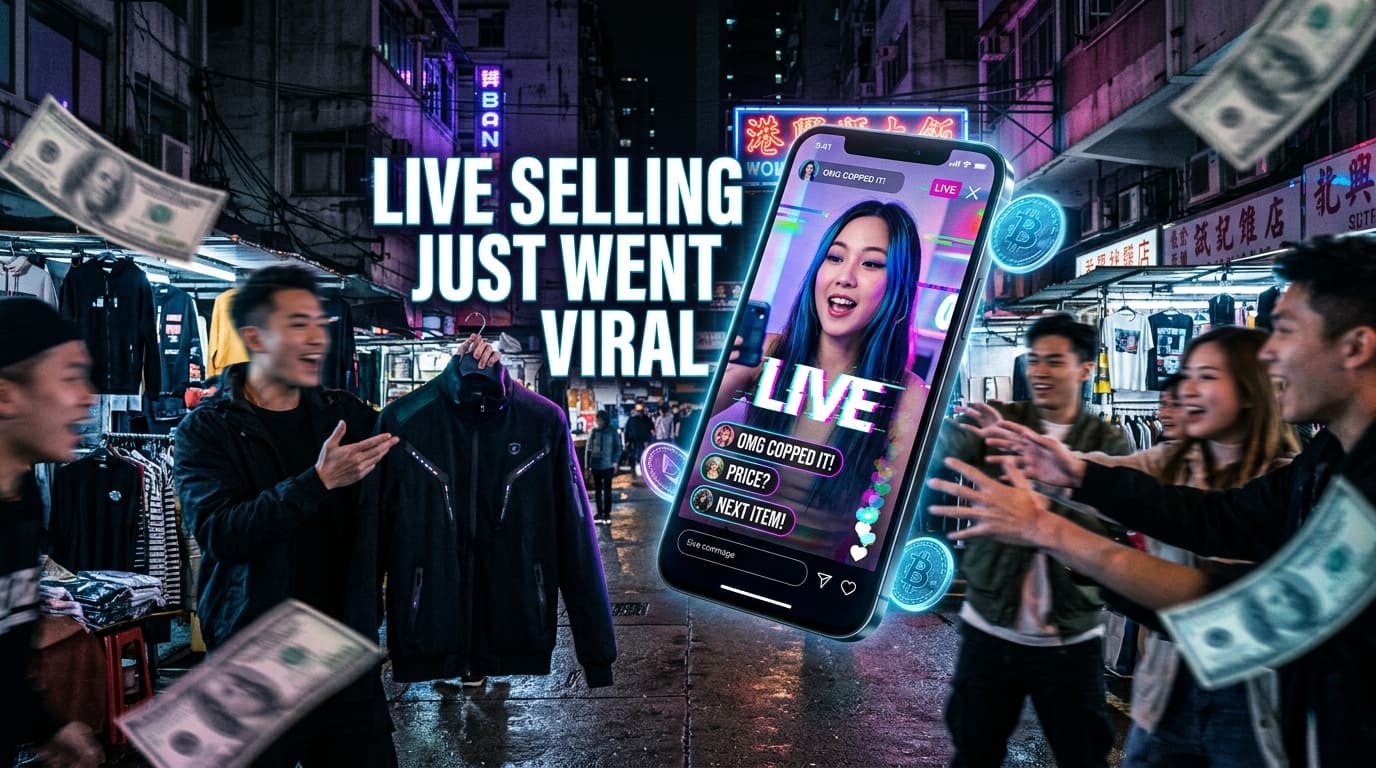
You've seen those live videos pop up on TikTok Shop or Instagram—a seller showing off vintage sneakers under bright lights while viewers flood the chat with questions. Maybe you've joined one of these sessions yourself, feeling the rush of excitement when the host announces a flash deal that makes you click "buy now" before it sells out. That experience is creating a massive economic shift: livestream ecommerce in the U.S. is projected to hit $14.64 billion in sales for 2026, with live shoppers growing by 21.5% compared to just a year ago. This isn't just a trend—it's becoming a primary way people discover and purchase everything from luxury handbags to collectible trading cards.
But here's what happens after the livestream ends. You send payment, wait for shipping confirmation, and hope the seller actually follows through. On platforms like TikTok Shop or Whatnot, your money goes to the platform first, and you rely on their policies to protect you if something goes wrong. Sellers face different frustrations: they watch 20-30% of revenue disappear to platform fees, deal with chargeback disputes that tie up funds for weeks, and sometimes have buyers ghost them after the livestream ends without completing payment.
The most successful live sellers realize that while the format drives incredible engagement—with conversion rates as high as 30%—the backend infrastructure hasn't caught up. You're building a business on platforms that can change their fee structures overnight, shut down your account without explanation, or leave you vulnerable to payment disputes that eat into margins. By the end of this article, you'll understand not just the size of the opportunity, but how to capture it without getting burned by the current system's limitations.
Old Way Livestream Sales: High Fees and Buyer Risks
The traditional livestream selling model extracts value from both sides through fees that eat into margins while providing minimal protection. TikTok Shop, for example, takes a 10-15% commission on each sale, plus payment processing fees that can add another 3%. Whatnot operates on a similar structure, with sellers losing 10-15% plus fees for every transaction completed during their live shows. For a seller moving $5,000 worth of collectibles in a two-hour livestream, that could mean $750 or more vanishing before they even cover their costs. The platform's justification is that they're providing the audience and infrastructure, but when you're doing the hard work of building a community and creating engaging content, those percentages start feeling less like a fair exchange and more like a tax on your success.
Buyers face a different but equally frustrating set of risks. When you purchase during a livestream, your payment is processed immediately, but your money typically goes into the platform's escrow system rather than directly to the seller. While this might seem protective, you're completely dependent on the platform's dispute resolution process, which can be slow, opaque, and heavily weighted toward their own interests. A 2025 survey cited by Forbes found that 60% of consumers have tuned into live shopping sessions, but 33% who made purchases reported issues with delivery, item condition, or receiving something different than what was shown during the live broadcast.
The worst-case scenario happens when sellers try to take livestream selling off-platform to avoid fees. They'll conduct the live show on Instagram or YouTube, then direct buyers to complete purchases through peer-to-peer platforms like Facebook Marketplace or Craigslist equivalents. In that scenario, neither side has any protection—the buyer sends money and hopes for delivery, while the seller ships goods and hopes they get paid. This lack of infrastructure creates an environment where scams thrive and honest sellers struggle to build trust, because every transaction requires both parties to take a leap of faith.
P2P Livestream Escrow: Safer, Cheaper Sales Revolution
Imagine conducting your live selling show knowing that every purchase triggers an escrow contract automatically—your buyer's payment locks into a smart contract on the Base blockchain, and you can see the funds are secured before you even pack up their order. This isn't a hypothetical future scenario; it's how peer-to-peer livestream selling works when you integrate blockchain escrow directly into the buying experience. Instead of losing 10-15% to platform fees, sellers keep 100% of their asking price because the escrow system operates on a transparent tiered fee paid by the buyer, starting at just 8% for purchases under $50 and scaling down to 0.5% for deals over $10 million. For that same $5,000 livestream sale we mentioned earlier, the buyer would pay a $60 fee instead of the seller losing $750 to traditional platform cuts.
The magic happens in how these smart contracts work for both goods and services. When you're selling physical items during a live show, the escrow timer starts when the buyer confirms payment. You ship with proof of delivery, and if the buyer doesn't release funds early because they're happy with their purchase, the smart contract automatically sends you the money when the timer expires—typically 3-7 days based on what you both agreed to upfront. For services like graphic design, photography sessions, or consulting that you might offer during specialized livestreams, the same escrow system handles milestone payments, so you get paid as you complete phases of work without chasing invoices.
This system also enables something traditional platforms can't match: the Promoter Program. During your livestream, you can invite trusted community members to become promoters who earn commissions for driving sales. When someone they refer makes a purchase through your live show, the smart contract automatically calculates and distributes their commission from your proceeds—no manual tracking, no delayed payments, just automated partnership payments that help you scale your reach without administrative headaches. For livestream sellers building dedicated followings, this turns community members into invested partners who help grow your business while earning rewards for their support.
Real Examples: Brands Crushing Livestream with P2P Protection
Look at Whatnot's record-breaking $75 million Black Friday event in 2025—collectors and resellers moved thousands of rare trading cards, comic books, and vintage toys through live auctions, but sellers paid millions in fees for the privilege. Now imagine that same energy channeled through peer-to-peer livestreaming with smart contract escrow: every seller would keep their full asking price while buyers pay a fraction in service fees. The escrow protection eliminates "ghosted" transactions where someone wins an auction but never completes payment. This creates a trustworthy environment where high-value transactions can happen without fear of fraud, which is why luxury brands are exploring blockchain-backed live selling.
Consider Pop Mart, the Chinese collectible toy company that generated 85% of its TikTok Shop sales through livestream broadcasts. Their success shows that dedicated audiences will buy premium products in real-time when they trust the host. Transfer that model to peer-to-peer with blockchain escrow, and trust mechanisms become built into the payment system itself rather than dependent on platform reputation. A seller could livestream limited-edition collectibles knowing each buyer's payment is secured in escrow until delivery confirmation, eliminating chargeback risks while maintaining real-time purchasing excitement.
Smaller sellers are already proving this model works. A vintage clothing reseller switched from Instagram live sales with PayPal invoicing to a peer-to-peer blockchain system. On Instagram, they lost 8-12% to fees and faced constant disputes about item condition. With blockchain escrow, they now keep 100% of sales, and disputes are handled through community arbitration rather than automated systems. Their viewers increased because they can confidently say, "Your payment is locked in escrow until you receive and approve your item," which eliminates hesitation that kills sales in traditional live shopping.
5 Steps to Launch Profitable 2026 Livestream Sales
First, choose where you'll host your livestream. Many successful sellers use Discord or Instagram Live because they offer interactive chat features, while connecting the viewing experience to an escrow-protected purchase link. The goal isn't to reinvent your content strategy—it's to layer secure purchasing onto what already works for engaging your audience.
Second, prepare your listings with escrow details baked in. Before you go live, create your item listings with clear photos and accurate descriptions, and set your escrow timers. For physical goods, a 5-7 day timer gives buyers time to inspect what they receive before funds release automatically. Include these details in your product descriptions so buyers understand exactly how the protection works—this transparency builds trust and reduces post-purchase questions.
Third, plan your livestream content around interaction. Create moments that encourage participation: "Who wants to see this piece from the back? Type 'back' in chat!" Use countdown timers for special offers and share behind-the-scenes stories. The most successful live sellers treat their broadcasts as conversations, not commercials, which keeps viewers engaged and increases conversion rates dramatically.
Fourth, activate your Promoter Program to amplify your reach. Identify trusted community members and invite them to become promoters for your livestream sales. They'll get unique referral links that track sales they generate, and the smart contract automatically pays their commission when those sales complete. This turns your audience into a sales force without administrative overhead.
Fifth, track conversions and iterate based on what works. After each livestream, review which products sold fastest and which segments had the highest engagement. Use this data to refine your next stream: feature more of what sells well and shorten segments that lose viewers. The beauty of livestream selling is the immediate feedback loop—you know what works by watching what sells in real time.
Unlock 2026 Livestream Earnings: Escrow + Low Fees Win
This brings us to the fundamental shift in 2026 livestream selling: you don't have to choose between massive reach and keeping your hard-earned revenue. Fisheez provides the infrastructure that lets you host engaging livestreams while keeping 100% of your asking price through SmartShell Escrow protection. The buyer pays a tiered service fee instead of you losing 10-15% to traditional platforms, which means you build your business on transparent economics that work in your favor from day one.
Think about what this changes practically. You can go live knowing every purchase triggers automatic escrow—no more chasing payments or worrying about chargebacks. Your audience can buy with confidence because their money stays protected until they receive exactly what you showed them. And with the Promoter Program, you turn your most engaged viewers into paid partners who help grow your sales without the administrative nightmare of tracking commissions manually.
The future of livestream commerce isn't just about better cameras or trendier hashtags—it's about better infrastructure that protects sellers and buyers equally. As we move into 2026, the most successful creators will be those who embrace this shift: capturing the excitement of real-time selling while securing every transaction with smart contracts that replace trust with verification. Your next livestream could be the one where you keep every dollar you earn, knowing your buyers are protected too.