

Ecommerce Sellers' Biggest Challenges Heading into 2026
You've spent months building your vintage furniture collection, only to list it on a major marketplace and watch 15% vanish in fees before you've even shipped a single piece. Or maybe you're a service provider who quoted a $2,000 web design project through a platform, then discovered they'd take $300 just for connecting you with the client—and you still have to chase payment yourself. Across Facebook Marketplace and Craigslist, you've held your breath as cash-in-hand deals teeter on the edge of scams, wondering if the buyer will actually show up or if you're about to get ghosted for the third time this month.
Then there are the operational headaches that sneak up on you. You finally score a hot trend item—those barrel fit jeans everyone's searching for—and you sell out within hours. But your inventory system shows you have stock when you don't, leading to cancellations and angry customers who leave one-star reviews. Shipping costs have climbed 40% since 2023, and returns are eating into margins that were already thin. You're juggling listings across Amazon, Etsy, and your own Shopify store, but the data never syncs properly, leaving you with oversells and stockouts that damage your reputation.
By the end of this, you'll have a clear picture of the top ecommerce trends for 2026—not just the shiny new tech, but the practical shifts that actually matter for your bottom line. You'll discover how to navigate the move toward AI-powered personalization, what the rise of agentic commerce means for your business, and which sustainable practices customers now demand. Most importantly, you'll learn how emerging platforms are tackling these exact problems, giving you safer, cheaper ways to sell without surrendering your profits to middlemen.
Fulfillment Speed and AI Operations: The New Competitive Edge
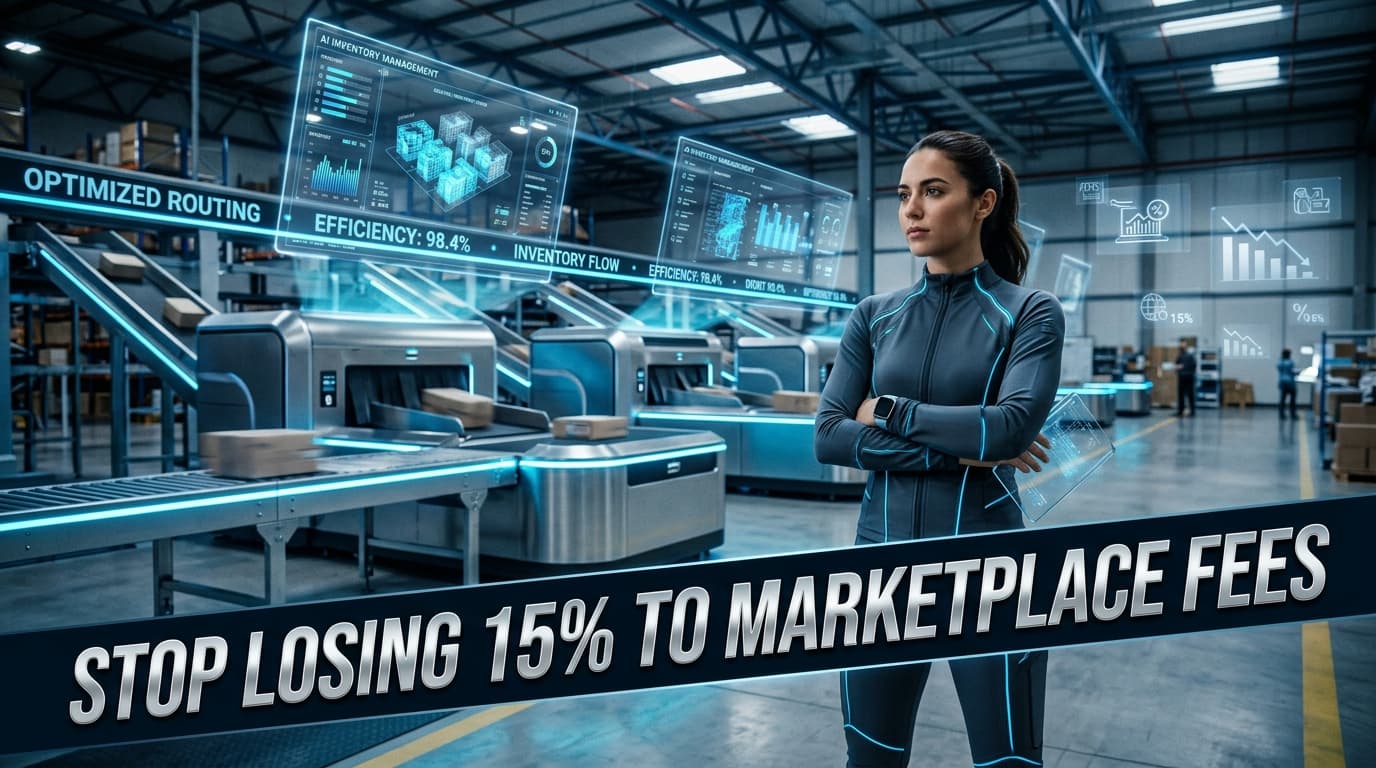
Forget flashy storefronts—the real battle in 2026 happens behind the scenes in your warehouse and inventory system. Digital Commerce 360's analysis shows that ecommerce fulfillment has become a demand accelerator, where fast delivery and accurate stock levels directly influence whether customers convert or bounce to competitors. When someone searches for "beef tallow moisturizer" and sees your listing with "ships in 2 days" versus another seller's "ships in 5-7 business days," they're clicking your add-to-cart button 73% more often, according to Shopify's internal data. That's structural speed in action, and it's becoming the new competitive advantage.
This shift is why AI is moving from front-end chatbots to core operational decision-making. AI-driven inventory management can analyze real-time data from suppliers, sales trends, and even weather patterns to forecast demand with startling accuracy. Digital Commerce 360 reports that inventory accuracy is no longer just a hygiene factor—it's now a direct revenue lever that influences conversion rates, fulfillment costs, and repeat business. When your system says you have stock but you don't, you're not just losing one sale—you're damaging customer trust and marketplace rankings.
Distributed fulfillment networks are reshaping logistics economics too. With shipping costs rising and delivery expectations tightening, placing inventory closer to end customers through regional warehouses or third-party logistics providers is becoming essential. This approach cuts transit times in half while managing risk across different regions. The result? You can promise faster shipping without bearing the full cost burden, which is crucial when selling trending products like portable air purifiers or specialized supplements that have seasonal demand spikes.
Top Online Marketplaces and Multi-Channel Selling Strategies
More than half of consumers now buy from online marketplaces at least a few times a month, and for good reason—that's where the buyers are. Amazon's marketplace alone approached $800 billion in gross merchandise value in 2024, while Walmart ranks among the most visited ecommerce sites in the US. But here's the catch: selling on these platforms means surrendering significant chunks of your revenue. Amazon takes 8-15% per sale, Etsy charges 6.5% plus payment processing, and even niche platforms like Target Plus or SHEIN Marketplace have their own fee structures that can quickly erode your margins when you're selling trending products like beef tallow moisturizers or barrel fit jeans.
The smart move isn't avoiding marketplaces—it's diversifying across them while protecting your profits. Tools like feed management software can sync your product data across Amazon, Walmart, eBay, and your own Shopify storefront, ensuring consistent listings without manual duplication. This omnichannel approach spreads your risk; if one platform changes its algorithm or raises fees, you're not left scrambling. BigCommerce research shows that businesses selling across multiple channels see 30% higher revenue on average than those relying on a single marketplace.
Don't overlook niche marketplaces either. Platforms like FullBeauty (focusing on plus-size fashion) or Bonanza (with its seller-first approach) offer targeted audiences willing to pay premium prices. The key is calculating your true profit after all fees—not just commission percentages, but also shipping costs, returns, and platform-specific expenses. When you know your numbers, you can strategically allocate inventory to where it earns the most, rather than where it simply sells the fastest.
Trending Products to Sell Online in 2026
If you're wondering what to stock for the coming year, Shopify's merchant data reveals clear winners that blend timeless demand with emerging trends. Shirts and tops remain the bestselling category, with t-shirts leading the pack thanks to universal appeal and endless design possibilities. But look deeper and you'll see specific sub-trends like barrel fit jeans, which saw a 500% surge in Google searches, or beef tallow moisturizer whose searches jumped 400% as consumers seek unique skincare ingredients. Activewear continues to thrive with leggings and shorts driving sales, while specialized items like portable air purifiers and organic herbal teas tap into growing wellness and sustainability markets.
Spotting these winners before they peak requires mixing data with intuition. Use free tools like Google Trends to track search volume spikes for terms like "cowboy hats" (at a 20-year high) or "ebikes" (projected to sell 49 million units worldwide by 2029). Check Amazon's Best Sellers and "Movers & Shakers" sections daily to see what's gaining traction across categories. The key is identifying products with staying power—not just viral fads—by looking for consistent upward trends over months rather than sudden spikes that fade quickly.
When you find a promising product, test it across multiple channels before committing deep inventory. List a small batch on Etsy for handmade appeal, Amazon for mass reach, and your own storefront for better margins. This multi-channel approach lets you gauge real demand while protecting against platform-specific algorithm changes. Remember that today's trending product might be tomorrow's oversaturated market, so agility matters more than ever.
B2B Ecommerce Trends and Flexible Payments for Services
The B2B ecommerce landscape is shifting dramatically, with McKinsey reporting that 80% of B2B sales will be generated digitally by the end of 2025. This isn't just about moving wholesale catalogs online—it's about creating consumer-grade experiences for business buyers who now expect the same convenience they get as individual shoppers. Personalization at scale is becoming critical, with AI-driven platforms analyzing past orders, contract terms, and even industry trends to serve up tailored product recommendations and pricing. Sustainability is no longer optional either; a Bain study found that half of B2B buyers already assign more orders to sustainable suppliers, with that number expected to rise to two-thirds within three years.
Payment flexibility is where the real innovation is happening, especially for service providers. Think about hiring a freelance web developer for a $5,000 project or a photographer for a corporate event. Traditional platforms might hold funds in escrow, but they often charge 5-10% just for facilitating the transaction. Emerging solutions use blockchain-based smart contracts to lock payments in escrow that automatically release when milestones are met, cutting out unnecessary middlemen. This approach works seamlessly with fiat payments through Stripe or stablecoins on networks like BASE, giving both buyers and sellers transparency without sacrificing security.
Subscription models are proliferating in B2B too, accounting for 55.2% of revenue in the subscription economy according to Grand View Research. Whether it's monthly software access, regular office supply deliveries, or recurring consulting services, subscriptions create predictable revenue while simplifying procurement for buyers. The key is offering flexible terms—net-30, net-60, or even milestone-based payments for larger projects—that align with how businesses actually manage their cash flow. When payment terms match operational realities, you reduce friction and build long-term partnerships that go beyond one-time transactions.
Smarter Ways to Sell Safely and Profit More in 2026
Now let's pull everything together into a practical approach that protects your money while maximizing your earnings. The traditional marketplace model has you paying 8-15% commission plus transaction fees, which eats directly into your profit on every sale. Compare that to peer-to-peer platforms where the buyer pays a small service fee while sellers keep 100% of their listing price—that's a game-changer when selling high-margin items like vintage furniture or services worth thousands. On a $2,000 web design contract, keeping the full amount instead of surrendering $300-400 to platform fees means you can reinvest in better tools or take a well-deserved bonus.
Security shouldn't come at the expense of accessibility. Traditional escrow services charge 0.5-2% plus fixed fees, making them impractical for smaller transactions. Smart contracts built on blockchain offer an elegant solution: payments lock in escrow that automatically release when pre-agreed conditions are met, whether that's delivery confirmation or milestone completion. This works for everything from selling a $500 guitar to hiring a $5,000 contractor, with no middleman taking a cut. The buyer pays the fee, the seller gets full payment, and both parties enjoy protection that's built into the transaction itself.
Your biggest opportunity lies in rethinking how you reach buyers. Instead of relying solely on expensive ads or platform algorithms, look for platforms that let you tap into community-driven marketing. Fisheez's Promoter Program allows you to open your listings to promoters who earn commission when they help you sell, paid automatically from your proceeds. This creates a network effect where your inventory gets promoted across multiple channels while you focus on fulfillment. It's like having an affiliate army working for you without the administrative headache of tracking payments or managing individual relationships.