
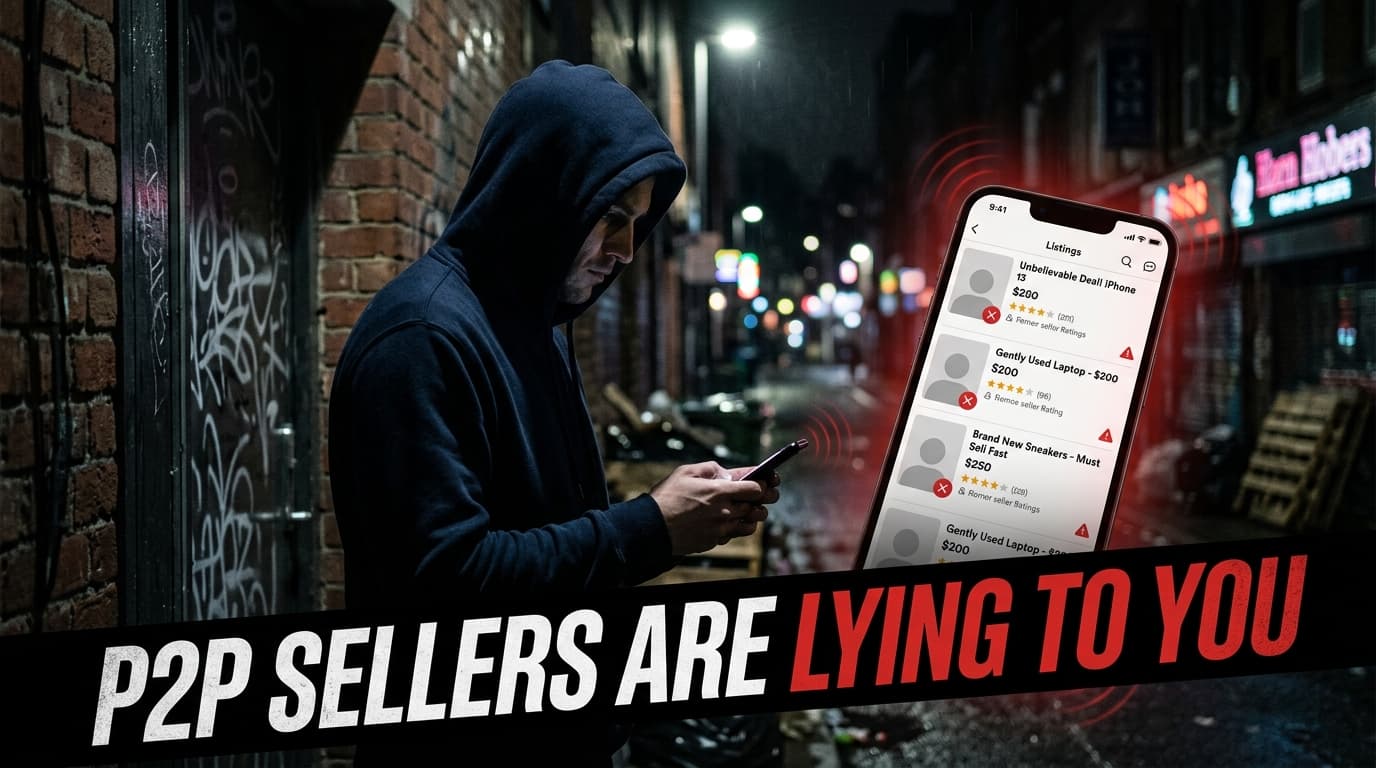

The Hidden Dangers of P2P Marketplaces: Why Spotting Scammy Sellers Matters
Peer-to-peer marketplaces offer convenient access to local deals on used goods, electronics, and rare finds. However, they also harbor significant risks from scammers targeting unsuspecting buyers. In 2023, fraud losses topped $10 billion across online scams, with P2P platforms contributing substantially through fake listings and payment tricks, per FTC reports.
Buyers face common pitfalls like listings with stock photos hiding non-existent items. Scammers post appealing offers, then vanish after receiving payment. Overpayment scams online sellers deploy involve sending fake checks exceeding the price, requesting refunds via wire or gift cards before the fraud clears.
Rushed deals pressure buyers to skip verification. Off-platform payments bypass protections, exposing funds to irreversible loss. New profiles lacking reviews signal P2P marketplace scams red flags.
Crypto demands in everyday sales scream fraud, as legitimate sellers stick to secure methods. BBB highlights digital wallet scams on Venmo and Zelle, where friend requests precede theft.
Spotting these P2P marketplace scams red flags early prevents heartache. Profiles with consistent activity, detailed photos, and platform payments indicate trustworthy seller signs marketplaces.
This guide delivers a straightforward checklist: verify profiles, insist on safe payments, meet publicly if local. Master online marketplace buyer tips to shop confidently.
Platforms like Fisheez enhance security with robust dispute resolution, giving buyers recourse if issues arise. Avoid peer-to-peer payment scams by prioritizing verified sellers and protected transactions for peace of mind.
7 Red Flags That Scream 'Untrustworthy Seller' on Online Marketplaces
P2P marketplace scams red flags emerge from patterns identified by experts like the Canadian Bankers Association, BBB, FTC, and Consumer Reports. On sites such as Facebook Marketplace and Craigslist, these signals help buyers dodge fraud swiftly and shop safely.
Prices too good to be true: Listings 40-70% below market for electronics, vehicles, or furniture often feature generic stock images. Scammers bait with impossible deals on high-demand items, collect payment, then vanish without delivery, a classic trap noted by CBA.
Insistence on off-platform payments: Sellers steer toward Venmo, Zelle, Cash App, wires, or email transfers to evade buyer protections. BBB digital wallet scams proliferate here, rendering funds unrecoverable outside platform dispute systems.
Recently created profiles: Accounts under 30 days old with no transaction history, reviews, or social connections fail seller profile verification P2P basics. Genuine sellers accumulate feedback over time through repeated sales.
Urgent, high-pressure communication: Tactics like "must sell today," "first serious buyer," or fake limited stock create panic, bypassing checks. Always verify independently before responding to rushed demands.
Requests for cryptocurrency or gift cards: Pushes for Bitcoin, Ethereum, iTunes, or Visa prepaid cards match FTC cryptocurrency scam warnings and crypto scams P2P trading alerts. Trustworthy transactions use cash or escrow.
Overpayment scam setups: "Mistaken" excess payments via check or app, followed by refund requests through irreversible methods. Overpayment scams online sellers rely on bank delays before fake funds reverse.
Refusal of public inspection spots: Avoiding police stations, malls, or well-lit cafes for private homes or remote drops conceals counterfeit goods or no-shows. Demand safe, public handoffs always.
Master these P2P marketplace scams red flags with online marketplace buyer tips: reverse-search images, read all messages carefully, and prioritize platform payments to avoid peer-to-peer payment scams entirely.
Verify Sellers Safely: Steps to Avoid Scams + Fisheez Peace of Mind
Follow these proven online marketplace buyer tips to conduct thorough seller profile verification P2P and sidestep common traps.
First, scrutinize the seller's profile meticulously. Look for accounts active at least six months with dozens of positive reviews and detailed transaction history. Absence of feedback or generic bios raises P2P marketplace scams red flags. Cross-check linked social media for consistency, as scammers often fabricate shallow profiles.
Next, maintain all communication within the platform. Insist on this to avoid redirects to email or WhatsApp, which enable BBB digital wallet scams on apps like Venmo.
Third, demand platform-secured payments or escrow services. Never wire money, use gift cards, or send crypto—hallmarks of FTC cryptocurrency scam warnings and crypto scams P2P trading frauds. Escrow holds funds until you confirm receipt and satisfaction.
For in-person exchanges, select busy public venues like shopping centers or police safe zones. Bring a friend, inspect thoroughly: power on electronics, examine for damage, match serials to listings.
Pause if anything feels off—rushed tones, evasive answers, or mismatched details. Trust your gut over haste.
Even vigilant buyers encounter issues. That's where Fisheez dispute resolution buyers shines. Unlike standard platforms, Fisheez offers dedicated mediation: upload evidence like photos, chats, and receipts for expert review. They facilitate refunds or resolutions swiftly, recovering funds in most valid claims. This buyer-centric system delivers true peace of mind, turning potential losses into protected trades on trustworthy P2P marketplaces.