
Struggling to Launch Your Online Store? The Tool Trap Killing New Sellers
You’re staring at fifty open tabs, comparing hosting speeds, and wondering why every "simple" ecommerce platform wants 15% of your hard-earned revenue before you’ve even shipped a box. Maybe you’re listing a 2018 Ford F-150 you found for a steal, but your five-year-old laptop keeps lagging mid-chat with a buyer, or your product photos look like they were taken with a potato. You have the inventory and the hustle, but the tech stack feels like a barrier rather than a bridge to those 30% margins.
It is a common trap for new sellers: thinking you need a $10,000 enterprise-grade setup just to sell used appliances or freelance services online. In reality, over-complicated tools and hidden platform fees are the silent killers of the modern side hustle. Whether you are navigating the minefield of Facebook Marketplace scams or trying to manage cross-state flips, the right gear makes the difference between a scaling business and a high-stress hobby that bleeds cash.
By the end of this guide, you will have a curated 2026 essentials list—vetted by experts at TechRadar and Forbes—to build your operations efficiently and affordably. We’re going to cover the best ecommerce platforms 2026, the specific laptops for online sellers that won't fail you, and the shipping gear for sellers that saves hours of manual labor. You'll learn how to launch a professional, profitable store in weeks using a lean stack that costs less than $2,000 total.
Stop letting tool overwhelm and ghosting buyers stall your momentum. It is time to streamline your workflow so you can focus on what actually matters: finding the next big deal and closing the sale.
Best Ecommerce Platforms for Online Sellers 2026
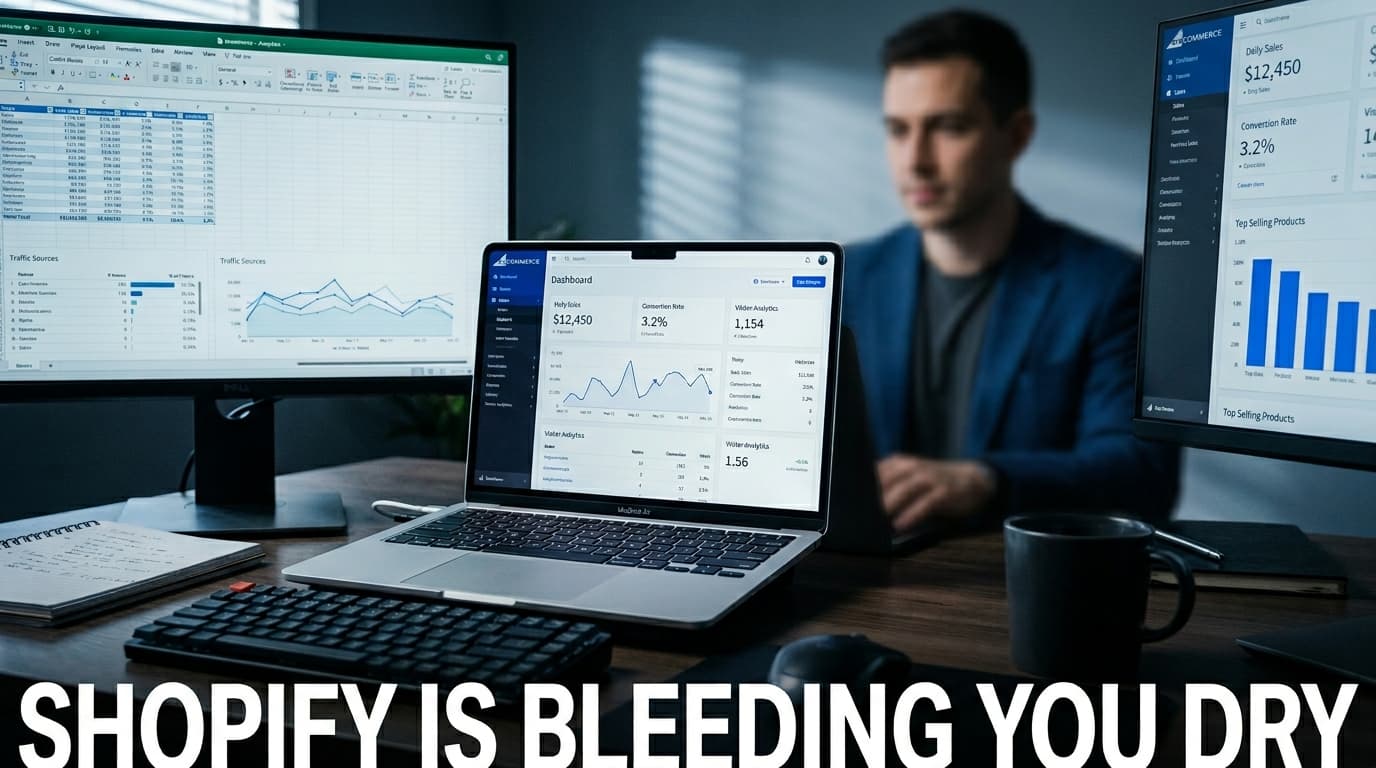
Choosing the right storefront is the most critical decision you will make this year. Many beginners flock to Shopify because of its brand name, but as Forbes Advisor points out, the "app tax" and transaction fees can quickly erode your margins. If you are flipping high-volume goods like used cars or appliances, you cannot afford a platform that clips 2% to 15% of every transition. Instead, savvy sellers are looking toward BigCommerce for its robust out-of-the-box features and lack of proprietary transaction fees.
For those strictly focused on growth, BigCommerce stands out in the 2026 landscape for its "headless" capabilities and open APIs. This means you can sell on a custom-designed front end while using their secure, enterprise-grade back end to manage inventory and complex B2B or DTC workflows. If you’re just starting out, Hostinger and Wix offer excellent ecommerce software for beginners, providing a low-cost entry point without sacrificing site speed or mobile responsiveness.
The goal is to find a platform that offers a low Total Cost of Ownership (TCO) while allowing for multi-storefront management. You want a system that gives you the flexibility to list unlimited SKUs and safely scale without being locked into a rigid ecosystem that holds your funds for 30 days. High-performing platforms today integrate directly with advanced SEO tools and secure payment gateways, ensuring your listings are visible and your payouts are protected. Once your software foundation is set, you will need the physical hardware to manage the daily grind of listings and logistics.
Must-Have Laptops and Hardware for Ecommerce Entrepreneurs
Your laptop is the cockpit of your business, and a lagging machine during a high-stakes negotiation or bulk inventory upload is a recipe for lost profit. According to TechRadar's latest guide, the move for 2026 is prioritizing RAM and display quality. For most, the MacBook Air with the M3 chip remains the gold standard for laptops for online sellers because of its silent operation and incredible battery life. If you prefer Windows, a Dell Latitude or an Acer Aspire with at least 16GB of RAM and a 400-nit screen ensures your product editing and multitasking stay fluid.
Beyond the screen, hybrid sellers who move volume in person and online need reliable POS hardware ecommerce integrations. Shopify and Square offer sleek, mobile-ready card readers and receipt printers that sync instantly with your digital inventory. This prevents the dreaded "oversell" where you move a car or a couch in person while someone is clicking 'buy' online. Using a dedicated barcode scanner can also shave hours off your weekly inventory count, keeping your overhead low and your data accurate.
If you are a mobile flipper sourcing on the go, a lightweight stack is non-negotiable. You can build a professional desktop experience with a portable monitor and a durable laptop stand for under $1,500 total. This keeps your business flexible enough to operate from a coffee shop or a warehouse floor without sacrificing processing power. Once your hardware is synced, the next step is perfecting your visuals and logistics to move that inventory as fast as possible.
Product Photography Shipping Gear Every Seller Needs
High-quality visuals are your most effective tool for building trust with a buyer who hasn't touched your product yet. Practical Ecommerce reports that custom, high-resolution photos can boost click-through rates by over 30% compared to generic stock images. You don't need a professional studio; a simple $200 setup featuring a foldable LED light box, a stable tripod, and your existing smartphone can produce magazine-quality results. For larger items like furniture or cars, investing in a pair of affordable softbox light panels and a clean backdrop will eliminate the distracting cluttered garage backgrounds that make buyers second-guess your price.
Once the sale is closed, your efficiency in getting that item out the door determines your long-term success. The right shipping gear for sellers includes a dedicated thermal label printer, which pays for itself in months by eliminating the cost of ink and taped-on paper labels. A high-capacity digital shipping scale is also non-negotiable for avoiding costly weight discrepancies at the post office. Organize your packing station with heavy-duty tape dispensers and a tiered shelving system so you aren't hunting for boxes while your shipping window is closing.
By streamlining these two areas, you stop acting like a frustrated amateur and start operating like a high-volume professional. Whether you are shipping physical goods or providing specialized services, having a reliable system for presentation and fulfillment is what keeps your customer ratings high. With your photography and shipping workflow in place, you are finally ready to choose a marketplace that protects your profits from traditional fees and common scams.
Scale Profits Safely: Escrow Marketplaces and Promoter Programs
Once you have established your lean tech stack and perfected your fulfillment process, the final step is choosing a marketplace that doesn't actively work against your margins. Traditional platforms often trap sellers in a cycle of high fees and long payment holds, but Fisheez is changing the landscape by shifting the cost structure. Unlike eBay or Etsy, which take massive cuts from the seller, Fisheez allows you to keep 100% of your listing price. Instead, the buyer pays a transparent tiered service fee, which means more money stays in your pocket for every car flip or contractor gig you complete.
Trust is the currency of peer-to-peer sales, and the SmartShell Escrow system provides a level of security that old-school classifieds simply cannot match. When you sell an item, the buyer’s funds are locked in a smart contract on the BASE network. This eliminates the risk of chargebacks or ghosting buyers that plague standard P2P deals. If a dispute does arise, real community members known as Peacemakers review the evidence and vote on a resolution, creating a fair environment that doesn't rely on faceless, automated support bots.
To truly scale your volume without increasing your workload, you can leverage the Promoter Program. This feature allows you to open your listings to others who earn a commission for finding you a buyer, with payments handled automatically through the smart contract. Whether you are selling physical goods or professional services, this setup turns your inventory into a passive income stream. By combining the right hardware with the security of Fisheez, you are no longer just a flipper—you are a high-margin entrepreneur protected by the power of blockchain.